

In brief
- Osteoarthritis is the most common joint disease and results from the breakdown of joint cartilage.
- Typical symptoms are pain, stiffness, restricted movement and swelling.
- Risk factors include age, excess weight, lack of exercise and unfavourable loading.
- Treatment is usually conservative through physiotherapy, everyday tips and targeted training.
- With the right therapy, mobility can be maintained and quality of life significantly improved.
What exactly happens in osteoarthritis?
Osteoarthritis, also called arthrosis deformans or osteoarthrosis, is the world's most common degenerative joint disease.
In this disease, the protective cartilage layer on the joint surfaces is gradually broken down.
The result: pain, stiffness, restricted movement and, over time, sometimes severe damage to the joint capsule, ligaments and even bone.
A healthy joint consists of several components: the cartilage, which ensures smooth movement, the joint fluid, which lubricates the joint, and a protective joint capsule.
In osteoarthritis, the cartilage tissue is progressively broken down through wear or unfavourable loading.
As a result, the joint surfaces rub against each other, triggering inflammation, joint swelling and pain.
The joint space narrows, and the body tries to compensate with new bone formation – which restricts mobility even further.
Joint and joint cartilage: the basis of our mobility
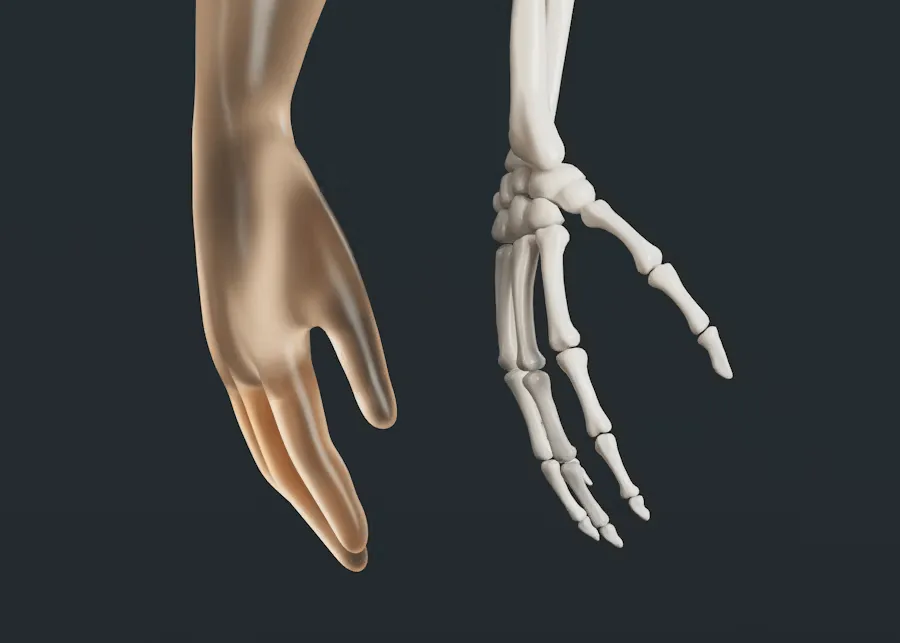
We owe our mobility to our joints – they are the flexible connections between two or more bones and enable us to perform everyday movements such as walking, gripping or turning.
Inside every joint, the joint cartilage ensures that the bones glide smoothly over each other.
This cartilage layer consists of special cartilage tissue that is particularly rich in water and elastic.
It acts like a natural shock absorber and protects the joint surfaces from wear.
If the cartilage layer is damaged by a disease such as osteoarthritis, the bones rub directly against each other – resulting in pain and restricted mobility.
The joint cartilage is therefore decisive for the function and health of every joint.
Possible causes: why does osteoarthritis develop?
The causes of osteoarthritis are multi-layered:
Symptoms: how osteoarthritis presents
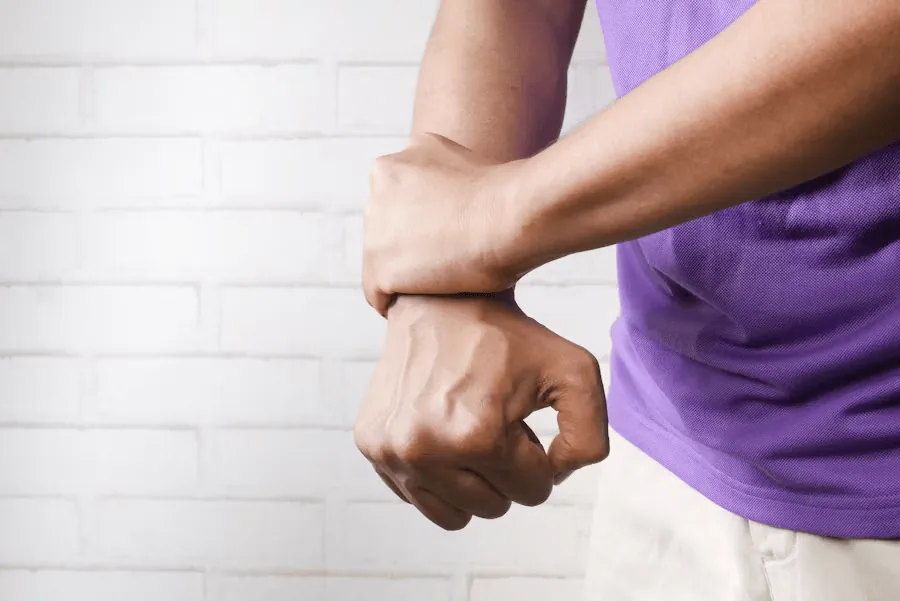
Not every change in the cartilage immediately leads to complaints.
Typical symptoms of osteoarthritis include start-up pain, stiffness, restricted movement and swelling.
The arthritic pain in particular can considerably impair quality of life, as it occurs both under load and at rest and makes everyday activities difficult.
The first signs of osteoarthritis can be:
- Start-up pain in the morning
- Stiff joints after periods of rest
- Pain under load, later also at rest
- Noticeable movement restrictions
- Grinding noises when moving
- Later: visible damage to the joint, swelling, deformities
The finger joints are also particularly frequently affected, with typical changes such as Heberden's and Bouchard's nodes.
Imaging shows a markedly narrowed joint space and incipient bone changes – such changes in the joint are characteristic of osteoarthritis.
The disease occurs particularly frequently in people around 65 years of age, with this age group at increased risk.
The joint changes are usually visualised by imaging techniques such as X-ray or MRI, which show the affected area in the joint.
A classic example: the 65-year-old patient with pain in the knee joint that increases when climbing stairs.
Diagnosis: how osteoarthritis is identified
A precise diagnosis is the basis for successful treatment.
In practice, several procedures are combined:
- Clinical examination: Your doctor or therapist specifically checks mobility, any joint swelling and your pain points. Your movement patterns and the condition of the affected joint also provide valuable clues.
- Imaging: X-rays can visualise pathological changes in the joint, such as cartilage breakdown, narrowing of the joint space, bone changes or joint wear. The affected area of the joint and specific regions are examined to determine the exact extent of the damage. If needed, MRI or ultrasound provide even more detailed insights into the tissue and the various stages of osteoarthritis.
- Excluding other diseases: Especially in younger patients, it is important to rule out inflammatory joint diseases such as rheumatoid arthritis. Joint infections must also be considered in the differential diagnosis, as they can cause similar complaints.
- Laboratory tests: If an inflammatory component is suspected, blood values can provide additional information.
Osteoarthritis or arthritis – what is the difference?
Although the two terms are often confused, they are different diseases:
- Osteoarthritis is a wear-related disease in which the cartilage layer on the joint surfaces slowly breaks down. The complaints usually arise from overload, malalignment or the natural ageing process.
- Arthritis refers to an inflammation of the joint. It occurs, for example, in rheumatoid arthritis and can also affect younger people.
The therapy differs considerably:
In osteoarthritis, the focus is on maintaining mobility and reducing pain, while in arthritis the priority is reducing inflammation.
Frequently affected joints & risk groups

Osteoarthritis can affect any joint – but some more frequently than others:
- Knee joint (due to high loading in everyday life and sport)
- Hip joint (especially with excess weight and malalignment)
- Finger joints (frequent in women from around age 50)
- Shoulder joint (mainly after injuries or with poor posture)
Risk groups include:
- People from about 60 years of age
- People with excess weight
- Workers with one-sided physical loading
- People with a family history or old joint injuries
Tip: Studies show that around one in three people over 65 is affected by osteoarthritis.
Therapy: what helps against osteoarthritis?
Osteoarthritis cannot be cured, but it can be treated very well.
Possible treatments include conservative, surgical, physiotherapeutic and medication-based approaches, used depending on the stage and complaints.
The goal of therapy is to ease arthritic pain, improve mobility and increase your quality of life.
Conservative treatment approaches:
In severe cases, a joint replacement may become necessary.
However, early treatment often makes it possible to avoid this invasive measure.
Surgery: when does an operation make sense?
Sometimes conservative therapies are no longer sufficient to ease osteoarthritis complaints and maintain the mobility of the affected joint.
If the symptoms are very severe and everyday life is massively restricted, surgery can be considered.
A classic example is joint replacement, in which the diseased joint is replaced by an artificial one.
Other operations, such as joint-preserving procedures, are also possible.
Important: surgery should always be the last option, as it carries risks and possible side effects.
The decision for or against an operation is made jointly by doctor and patient – tailored individually to the situation and personal needs.
Aids and orthopaedics: support in everyday life

For many people with osteoarthritis, aids and orthopaedic devices can make everyday life considerably easier.
They help ease pain, maintain mobility and relieve the affected joint.
Examples are walking sticks, splints or special orthoses that stabilise the joint and protect it from overload.
Individually fitted shoes or insoles can also reduce the load on the joint and thus lessen complaints.
An experienced orthopaedist helps select and optimally fit the right aids – so that you remain as active and independent as possible despite osteoarthritis.
Diet and lifestyle: what you can do yourself
A conscious diet and a healthy lifestyle play an important role in easing the symptoms of osteoarthritis and promoting joint mobility.
Excess weight increases the load on the joint and can intensify pain – so targeted weight loss is worthwhile.
A diet rich in omega-3 fatty acids and vitamin D is recommended, as these nutrients can have a positive influence on inflammation and pain.
Regular exercise, such as swimming or cycling, also supports joint health without overloading the joint.
In this way, you can actively help reduce complaints and improve quality of life.
Everyday tips for osteoarthritis
Prevention: can osteoarthritis be avoided?
Osteoarthritis cannot always be completely prevented, but you can do a lot to lower the risk of this joint disease.
Maintain a healthy body weight to keep the load on your joints as low as possible.
Regular, joint-friendly exercise promotes circulation and maintains the mobility of the joints.
Avoid one-sided or excessive loading and give your joints sufficient breaks.
A balanced diet also supports the health of your joints.
Talk to your doctor or orthopaedist to create an individual prevention plan – this way you can actively help reduce the risk of osteoarthritis and the pain associated with it.
How treatment with physiotherapists works
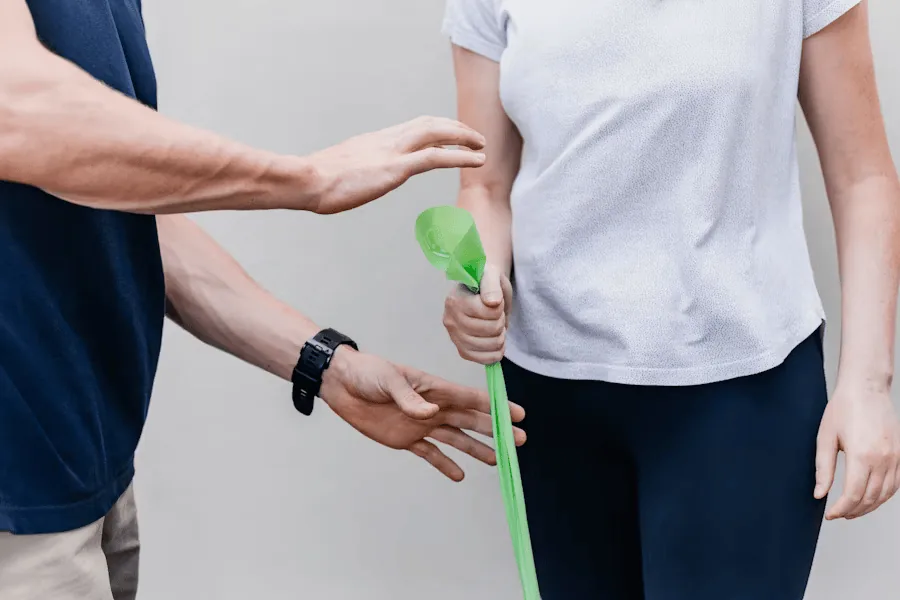
If you come to us with osteoarthritis, restricted movement or joint pain, a clearly structured and individually tailored process awaits you at NOVUM2:
- Initial consultation & examination
We get to know your situation, analyse your complaints and check your mobility and the relevant joints. - Individual therapy plan
Based on the diagnosis, we develop a concept tailored to you – whether targeted training, manual therapy or everyday-oriented exercises. - Regular support & adjustment
Your progress is continuously monitored. Exercises are adjusted as needed to stabilise the joint in a lasting way. - Close cooperation with medical specialists
If needed, we coordinate with physicians on complementary measures such as pain medication, injections or a possible joint replacement.
Our goal is clear: less pain, more movement – and a more active life despite osteoarthritis.
Would you like to treat your osteoarthritis?
Then book an appointment at NOVUM2 here and let our qualified physiotherapists help you regain quality of life.