

In brief
- Understanding nerve irritation: Tingling is often a cry for help from your nerves, irritated by pressure or a lack of circulation.
- Focus on the cervical spine: The cause often lies not in the hand itself but in restrictions or tension of the cervical spine (cervical syndrome).
- Recognising bottlenecks: Carpal tunnel syndrome or cubital tunnel syndrome are classic compression syndromes that cause numbness.
- Physiotherapy helps: Through targeted manual therapy and nerve gliding, we aim to reduce the pressure and improve sensation.
- Take warning signs seriously: If paralysis or speech disorders occur at the same time, immediate medical help (emergency call) is required.
What does tingling in the hands actually mean?
Imagine your nervous system as a highly complex electricity grid.
The nerves transmit information from your hands to the brain.
If this flow of information is disturbed – for example by pressure, inflammation or a lack of nutrient supply – the brain sends a "false signal".
This manifests as tingling, pulling, stabbing or a furry sensation.
Because the hands have an extremely high density of sensitive nerve endings, we perceive disturbances here particularly intensely.
Those affected often describe the feeling as "pins and needles".
Causes of tingling in the hands: why do they "fall asleep"?
The list of possible triggers is long.
To give you a better overview, we divide the causes into three categories:
1. Musculoskeletal causes (the focus of physiotherapy)
These causes affect the musculoskeletal system and are everyday occurrences at our practice.
Improvement can often be achieved very quickly here with targeted exercises and hand techniques.
- Cervical syndrome: Tension in the neck or malposition of the cervical vertebrae can constrict the nerve roots leading into the arms.
- Herniated disc (cervical spine): If a disc in the neck presses on a nerve root, the tingling often radiates down to the fingertips.
- Carpal tunnel syndrome (CTS): The median nerve is constricted at the wrist. Typical: tingling in the thumb, index and middle fingers, often at night.
- Cubital tunnel syndrome: Here the ulnar nerve is compressed at the elbow (the well-known "funny bone"). Tingling usually occurs in the little finger and ring finger.
- RSI syndrome (mouse arm): Constant repetition (office work) creates micro-traumas that irritate nerves and tendons.
2. Neurological & systemic causes
Sometimes the cause lies deeper, in the metabolism or the central nervous system:
- Polyneuropathy: Damage to the peripheral nerves, frequently caused by diabetes mellitus or long-term alcohol consumption.
- Vitamin B12 deficiency: This vitamin is essential for the protective sheath of your nerves. A deficiency leads to sensory disturbances.
- Multiple sclerosis (MS): A chronic disease in which the immune system attacks the nerve fibres.
- Magnesium or calcium deficiency: An electrolyte imbalance makes nerves "trigger-happy" and causes tingling or cramps.
3. Circulation-related causes
- Raynaud's syndrome: In cold or stress, the vessels in the fingers cramp; they first turn white, then blue, and tingle painfully when warming up.
The decisive connection: neck and hands
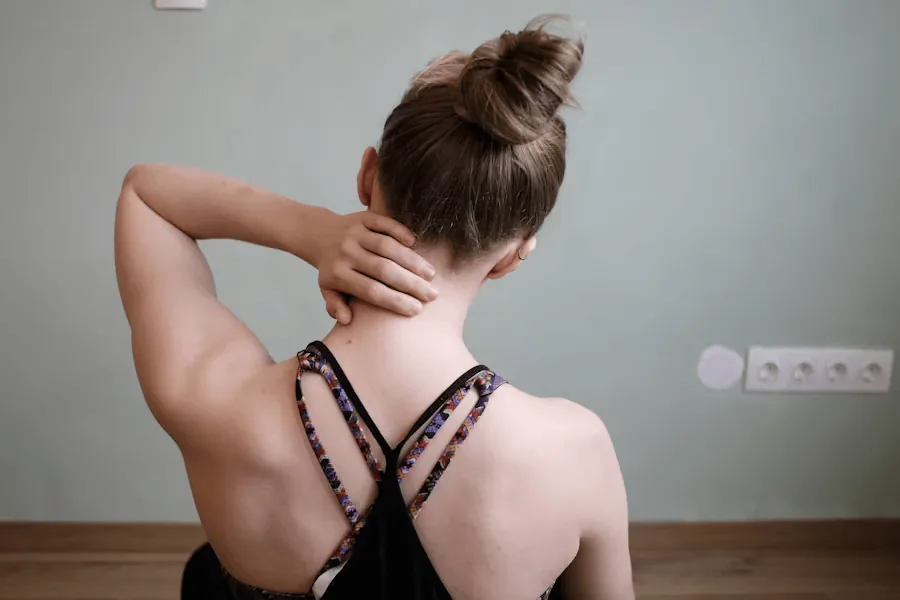
Many patients come to us and say: "My hand is tingling, something must be wrong with my wrist."
But often the wrist is only the site of the symptom, not the cause.
Your hand nerves originate as the brachial plexus directly from the cervical spine.
On their way into the hand, these nerves must pass through narrow channels and under muscles (such as the scalene muscle at the neck or the small chest muscle).
A "turtle posture" at the desk or a chronically tense neck acts like a foot on a garden hose: the information no longer flows properly, and the hand starts tingling.
That is why at NOVUM2 we always examine the entire chain from the cervical spine to the fingers.
Diagnosis: how we find the cause
To avoid treating "blindly", a thorough analysis comes first:
- History: We clarify when the tingling occurs (at night, under load?) and which fingers are affected.
- Physical examination: We test your sensation with tuning forks or fine touch stimuli and check the strength in your hands.
- Provocation tests: Certain movements of the neck or wrist provoke the tingling and give us clues to the site of the constriction.
- Further diagnostics: If a herniated disc or nerve damage is suspected, we refer you to specialised colleagues for an MRI or a nerve conduction velocity test (NCV).
Treatment at NOVUM2: how we calm your nerves
In physiotherapy, our goal is to take the pressure off the nerves and improve their gliding ability.
Manual therapy & physiotherapy
With special manual therapy techniques, we release restrictions in the cervical spine and the rib joints.
We loosen the muscles that are robbing the nerves of space.
Nerve mobilisation (nerve gliding)
Nerves hate pressure, but they love movement.
If a nerve "sticks" in its channel, abnormal sensations arise.
We show you exercises in which the nerve glides gently through its tissue without being overstretched.
This promotes the circulation of the nerve and reduces swelling.
Fascial therapy
Stuck fasciae in the arm and shoulder can act like a bandage that is too tight.
We release this tension to give the nerves "room to breathe" again.
4 exercises against tingling in the hands
Try to build these exercises into your daily routine.
Important: the nerve exercises should never trigger severe pain or increased tingling – work gently!
Warning signs: when is it an emergency?

In rare cases, tingling can be a harbinger of serious problems.
See a doctor immediately or call the emergency services if the tingling is accompanied by:
- Sudden weakness or paralysis (e.g. one hand drops things).
- One-sided symptoms (only one half of the body).
- Speech or visual disturbances.
- A drooping corner of the mouth.
- Uncontrolled loss of urine.
These can be signs of a stroke or an acute herniated disc with nerve damage.
Self-help: what you can do in everyday life
- Ergonomics: If you work a lot at the computer, use a vertical mouse and make sure your forearms rest loosely.
- Take breaks: Briefly stretch your neck every 30 minutes and shake out your hands.
- Diet: Ensure a sufficient intake of B vitamins and magnesium. A blood test at your family doctor can provide clarity.
- Heat: For muscular tension in the neck, a cherry-stone pillow helps loosen the muscles and reduce the pressure on the nerves.
Take action!
Tingling in the hands is a signal from your body that should not be ignored.
Usually muscular bottlenecks or posture problems are behind it, which can be treated excellently with physiotherapy.
The earlier we find the cause, the faster the feeling returns to your hands.
Had enough of pins and needles in your fingers?
The team at NOVUM2 specialises in tracking down and releasing nerve bottlenecks. Let's take a look together at where your "garden hose" is pinched.