

In brief
- Inflamed joint capsule: A frozen shoulder develops through painful inflammation and thickening of the shoulder capsule, leading to stiffening.
- Three phases of healing: The condition typically progresses through three stages (freezing, frozen, thawing) and can last one to three years.
- Varied triggers: Besides injuries, metabolic diseases such as diabetes or thyroid problems often promote its development.
- Movement as the key: Targeted physiotherapy and daily home exercises are essential for gently regaining the mobility of the joint capsule.
- Comprehensive relief: A combination of manual therapy, an anti-inflammatory diet and pain management noticeably shortens the course of suffering.
What is a frozen shoulder?

A frozen shoulder, also known as frozen shoulder syndrome, is a condition in which the joint capsule of the shoulder joint becomes inflamed.
This makes the capsule thick and firm, restricting the mobility of the shoulder and causing pain.
This condition is not the same as a calcific shoulder.
In a calcific shoulder there are calcium deposits in the tendons of the shoulder, whereas in a frozen shoulder the joint capsule is affected.
Anatomy of the shoulder
The shoulder is the most mobile joint in our body. It consists of the shoulder joint, the joint capsule, the tendons of the rotator cuff, the biceps tendon and the shoulder blade.
The joint capsule surrounds the shoulder joint and, together with the synovial fluid, enables smooth movement.
Causes and risk factors
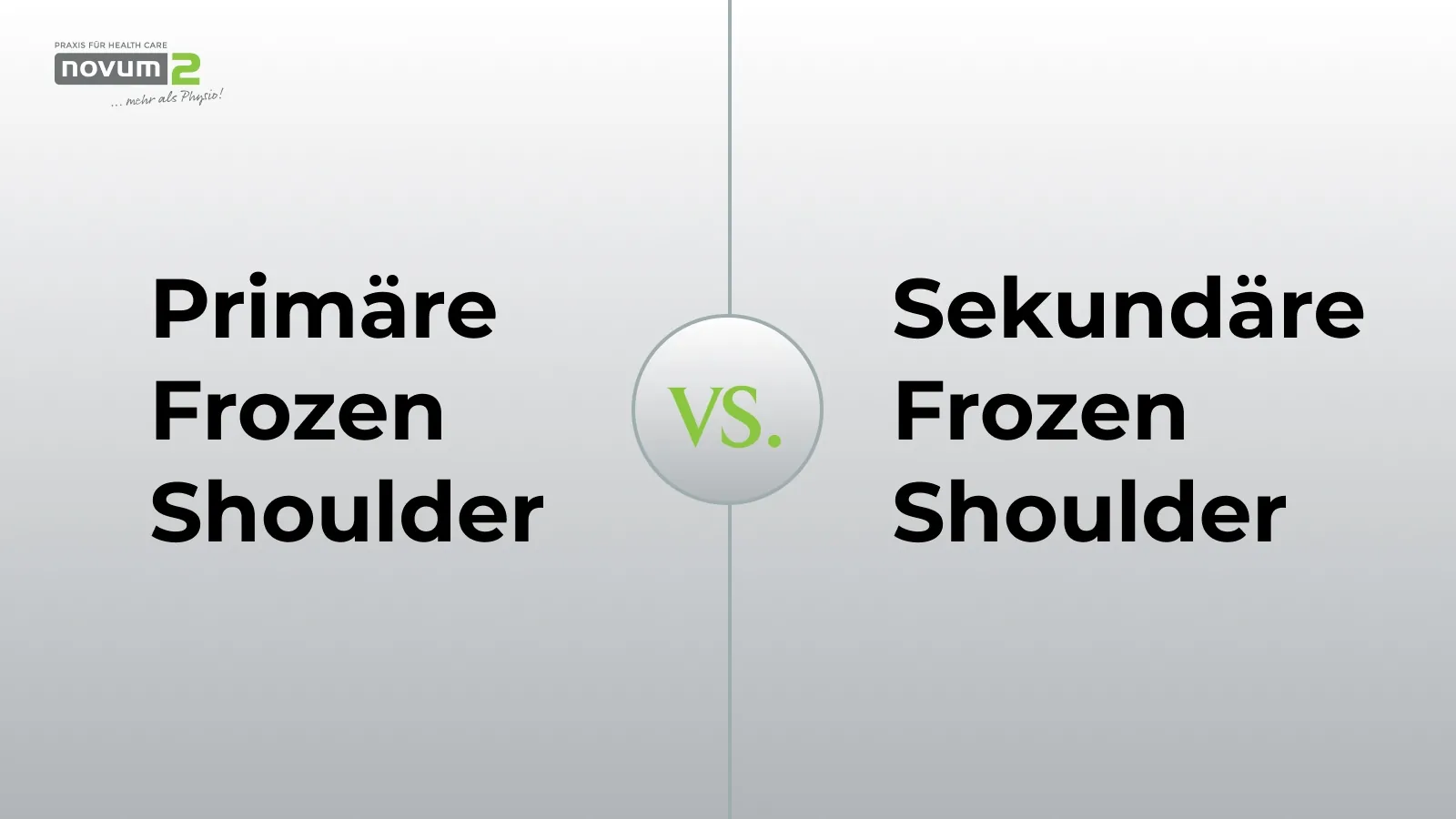
Why do people get a frozen shoulder?
The exact causes of a frozen shoulder are often unclear.
There are two types:
- Primary frozen shoulder: No cause is known here.
- Secondary frozen shoulder: This develops as a result of other diseases or injuries.
What triggers a frozen shoulder?
Possible triggers are:
- Injuries or operations on the shoulder
- Inflammation in the shoulder area
- Metabolic diseases such as diabetes mellitus
- Thyroid diseases
- Prolonged immobilisation of the shoulder, for example after an accident
Risk factors are:
- Age over 40
- Female sex
- Certain pre-existing conditions such as heart disease or Parkinson's
Symptoms and course
Why is a frozen shoulder so painful?
In a frozen shoulder, the joint capsule becomes inflamed, leading to pain and increasing restriction of movement.
This restriction of mobility can lead to stiffening of the joint over time.
The pain is often worse at night, because the shoulder becomes stiffer at rest.
Phases of frozen shoulder
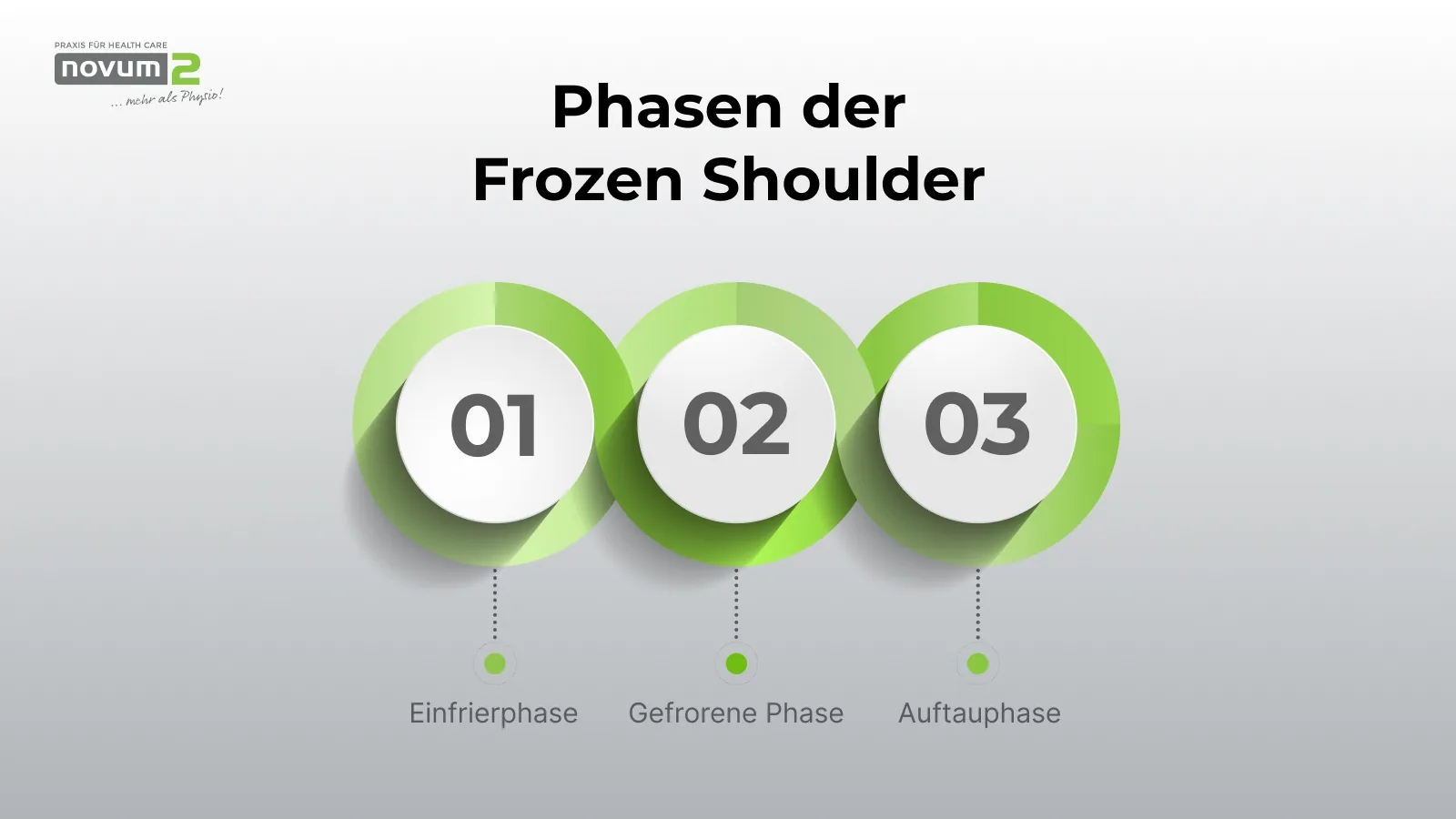
The condition progresses in three phases:
- Freezing phase: The pain increases and the restriction of movement begins. This phase lasts several weeks to months.
- Frozen phase: The shoulder becomes very stiff, but the pain may ease somewhat. This phase often lasts several months.
- Thawing phase: The mobility of the shoulder slowly improves again. This phase can last months to years.
How long does a frozen shoulder take to heal?
Healing can take between one and three years.
This varies from person to person and depends on many factors.
How is a frozen shoulder diagnosed?
Diagnosis is made through:
- Clinical examination: The doctor checks how mobile your shoulder is and where it hurts.
- Imaging: Ultrasound, MRI or X-ray help rule out other causes and assess the condition of the shoulder.
Differential diagnosis
It is important to distinguish frozen shoulder from other shoulder conditions such as calcific shoulder, shoulder osteoarthritis or injuries of the rotator cuff.
What can be done about a frozen shoulder?
Treatment aims to ease the pain and restore the mobility of the shoulder.
Treating a frozen shoulder includes various methods such as acupuncture, which influences pain perception in the brain and can ease complaints, and cortisone injections, which reduce symptoms but do not treat the cause of the condition.
Medication
- Painkillers such as NSAIDs (non-steroidal anti-inflammatory drugs) help against pain and inflammation.
- Cortisone injections into the joint can temporarily reduce the inflammation.
Which medication helps with frozen shoulder?
NSAIDs such as ibuprofen or diclofenac are often helpful.
Cortisone can help with severe inflammation but should be used with caution.
Physiotherapy and movement

Is movement good for frozen shoulder?
Yes, targeted movement exercises are very important.
They help stretch the joint capsule and improve mobility.
How often should you have physiotherapy for frozen shoulder?
Physiotherapy once or twice a week is recommended.
In addition, you should do exercises at home every day.
Surgery
In rare cases, when other methods do not help, an operation may be necessary to release adhesions in the joint capsule.
Comprehensive treatment at NOVUM2
How does a frozen shoulder resolve through comprehensive therapy approaches?
At NOVUM2 we rely on a combination of modern physiotherapy and complementary methods such as Traditional Chinese Medicine and Taiji to support healing.
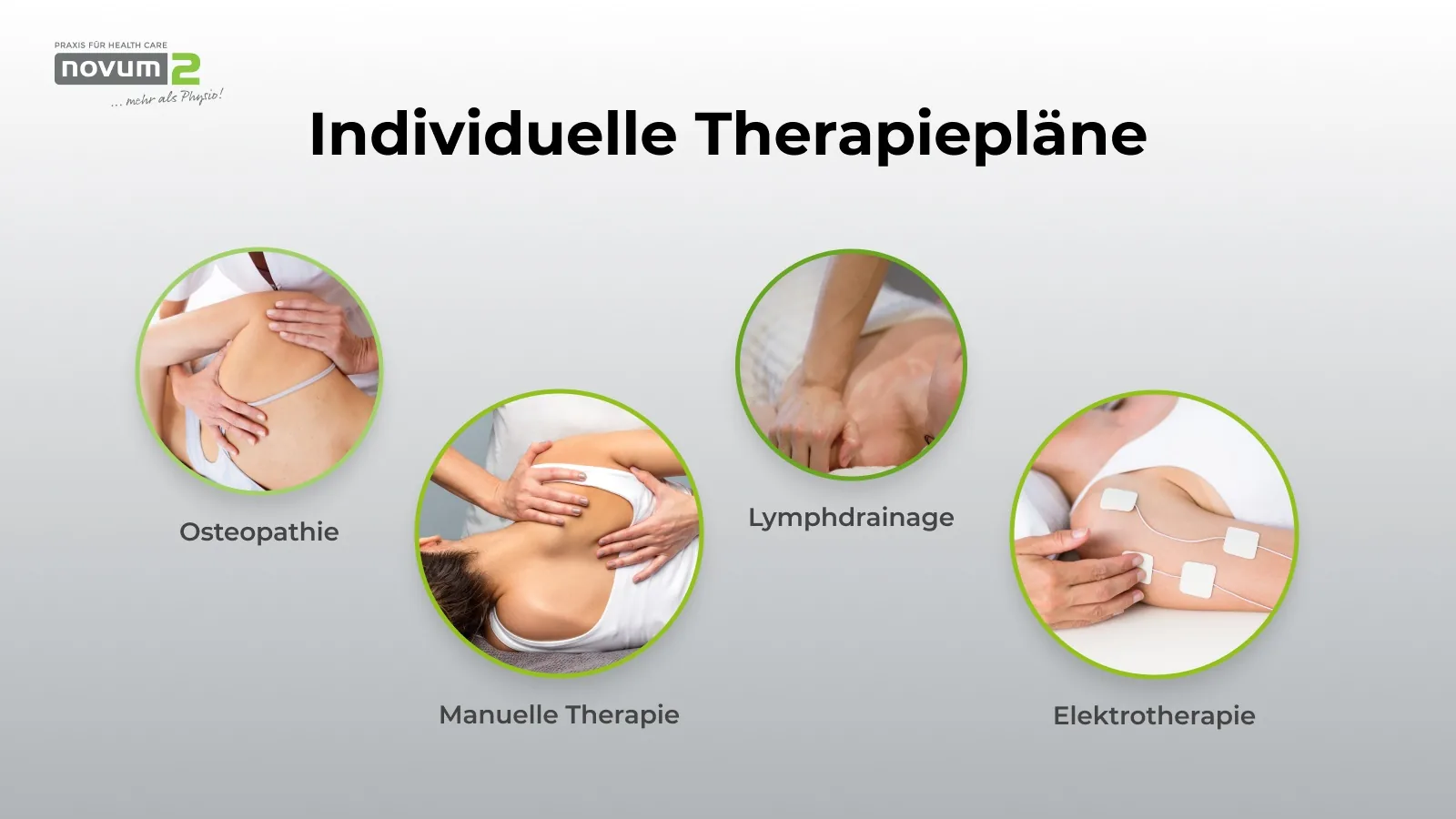
Individual therapy plans
- Manual therapy for mobilisation of the joints
- Osteopathy for treating functional disorders
- Lymphatic drainage to reduce swelling
- Electrotherapy and ultrasound therapy for pain relief
Advantages of comprehensive treatment
- A whole-person approach that considers both body and mind
- Personalised care by experienced therapists
- Support for the healing process through a combination of different methods
Which exercises can I do with a frozen shoulder?
Our therapists show you special shoulder exercises such as:
- Pendulum exercises
- Stretching exercises for the joint capsule
- Strengthening exercises for the muscles
What to do if you can no longer lift your arm?
We help you with occupational therapy measures and training therapy to slowly restore mobility.
How do you sleep with a frozen shoulder?
- Sleep on your side – on the healthy side
- Use a pillow to support the arm
- Heat applications before going to bed can ease the pain
Is movement good for frozen shoulder?
Regular movement and physiotherapy exercises are decisive for supporting healing and preventing recurrence.
Which foods should you avoid with a frozen shoulder?
An anti-inflammatory diet supports healing. Avoid:
- Sugary foods
- Processed foods
- Alcohol and nicotine
Prevention tips
- Avoid keeping the shoulder still for long periods
- Design your workplace ergonomically
- Do stretching exercises to keep the shoulder flexible
How can shoulder mobility be improved?
Shoulder mobility is decisive for managing everyday tasks and avoiding pain.
Here are some exercises and measures that can help you improve the mobility of your shoulder:
- Shoulder rolls: Gently roll your shoulder blades forwards and back again. This exercise helps loosen the shoulder muscles and promote mobility.
- Shoulder circles: Circle your shoulders forwards and back again. This movement mobilises the shoulder joint cavity and improves mobility.
- Shoulder stretches: Stretch your shoulder backwards and forwards again. This stretching exercise helps stretch the shoulder muscles and increase mobility.
- Physiotherapy: Targeted physiotherapy can improve shoulder mobility and ease pain. An experienced physiotherapist can show you individual exercises.
- Regular exercise: Activities such as swimming or cycling can promote shoulder mobility and reduce pain.
Through regular exercise and movement, you can improve shoulder mobility and ease the pain.
Which diseases are associated with frozen shoulder?
There are certain conditions that can increase the risk of a frozen shoulder.
Here are some examples:
- Diabetes: People with diabetes have a higher risk of developing a frozen shoulder. The exact reasons are not yet fully understood, but the metabolic disturbances in diabetes are thought to play a role.
- Thyroid diseases: Conditions of the thyroid, such as Hashimoto's thyroiditis, can increase the risk of a frozen shoulder. Hormonal imbalances can promote inflammation in the joint capsule.
- Rheumatism: People with rheumatic diseases have a higher risk of developing a frozen shoulder. The chronic inflammation of rheumatism can affect the joint capsule of the shoulder.
- Calcific shoulder: In a calcific shoulder, calcium deposits form in the tendons of the shoulder. These can lead to inflammation and increase the risk of a frozen shoulder.
- Impingement syndrome: In impingement syndrome, tendons or bursae become trapped in the shoulder joint. This can lead to inflammation and a frozen shoulder.
It is important to note that these conditions are not the direct cause of a frozen shoulder but merely increase the risk.
What to do about a frozen shoulder?
A frozen shoulder is a painful condition, but with the right treatment and some patience it usually resolves well over time.
At NOVUM2 in Cologne, we offer you comprehensive therapy tailored to your individual needs.
Do not hesitate to contact us and take the first step towards more mobility and quality of life.