

In brief
- Narrowing in the shoulder: In impingement syndrome, tendons or bursae are trapped under the acromion, causing stabbing pain.
- Typical triggers: Causes are often anatomical narrowing, degenerative changes or overload from frequent overhead movements.
- Pain as the leading symptom: Lifting the arm sideways between 60° and 120° ("painful arc") and lying on the shoulder at night cause particular discomfort.
- Conservative therapy before surgery: Targeted physiotherapy to centre the head of the humerus and strengthen the rotator cuff is the treatment of choice in most cases.
- Lasting prevention: Regular training of the shoulder-stabilising muscles and ergonomic adjustments in everyday life prevent recurring entrapment.
Definition and causes of impingement syndrome

Definition and explanation of terms
Impingement syndrome, also known as shoulder impingement or shoulder pain syndrome, is a common condition that occurs when the tendons of the rotator cuff are trapped in the subacromial area.
This entrapment can lead to inflammation, pain and restricted mobility.
It is often confused with other conditions such as rotator cuff tears or shoulder osteoarthritis.
Causes of impingement syndrome
The causes of impingement syndrome are varied.
Anatomical structures such as the acromion and the subacromial area can play a decisive role.
The most common causes include:
- Anatomical structures: An altered shape of the acromion can increase the risk of the tendons being trapped.
- Injuries and overload: Active athletes are particularly at risk, as repeated overhead movements strain the tendons.
- Degenerative changes: With increasing age, degenerative changes in the tendons and the shoulder joint can occur, promoting impingement.
Diagnostic methods such as X-ray and MRI are used to identify the cause of the complaints.
Symptoms and diagnosis of impingement syndrome
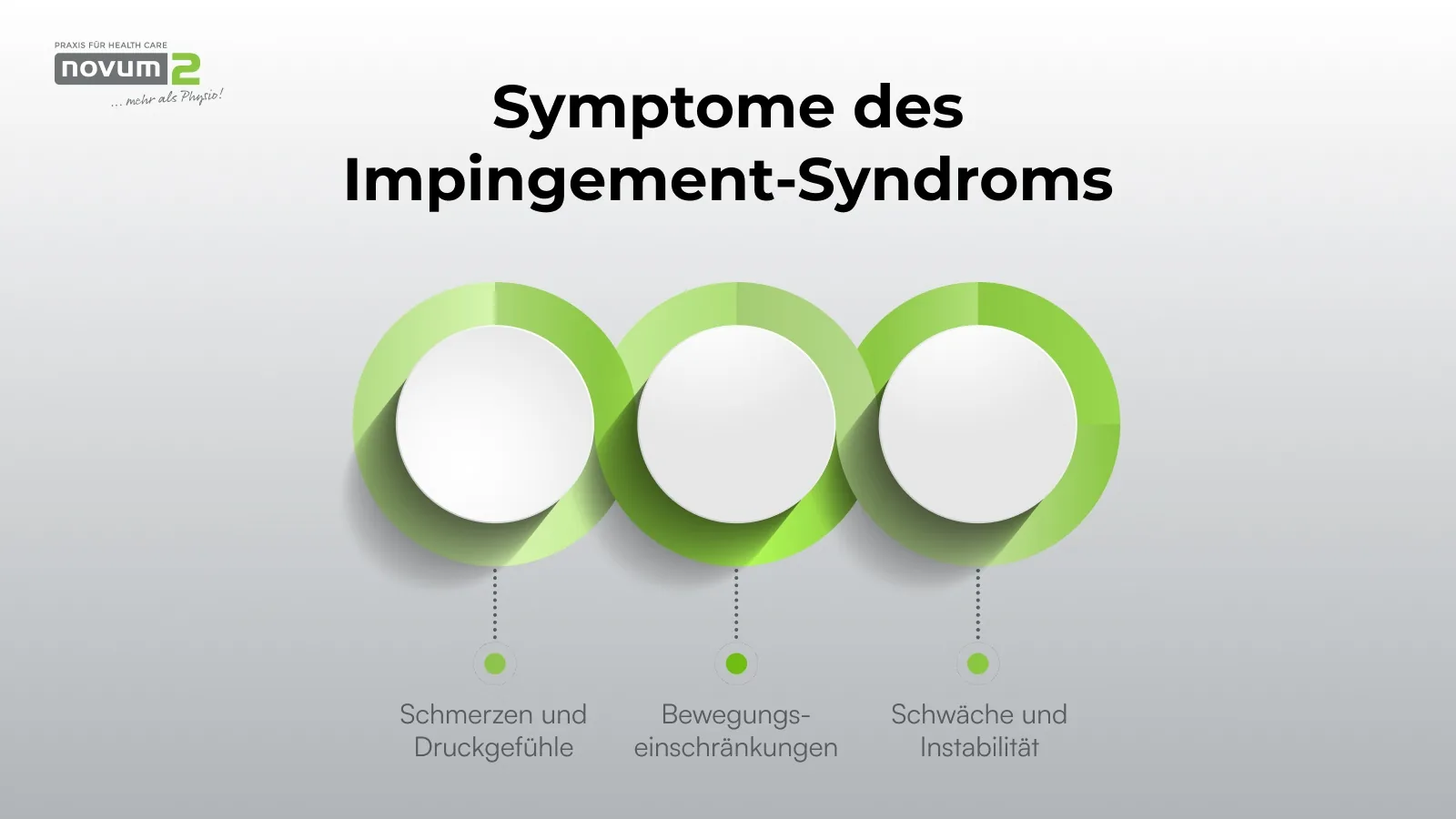
Symptoms of impingement syndrome
Typical symptoms associated with impingement syndrome and shoulder narrowing syndrome are:
- Pain and feelings of pressure: Pain occurs especially when lifting the arm or during overhead movements.
- Restricted movement: Patients often report restricted mobility of the shoulder.
- Weakness and instability: In advanced cases, the muscles can weaken and a feeling of instability can occur.
Diagnosing impingement syndrome
Diagnosis takes place in several steps:
- History and physical examination: The doctor gathers information about the symptoms and performs specific tests to assess the muscles of the shoulder joint.
- Imaging: Methods such as MRI and sonography help identify possible injuries or inflammation in the shoulder and evaluate changes within the shoulder joint.
- Differential diagnosis: It is important to rule out other conditions that can cause similar symptoms.
Treatment and therapy of impingement syndrome
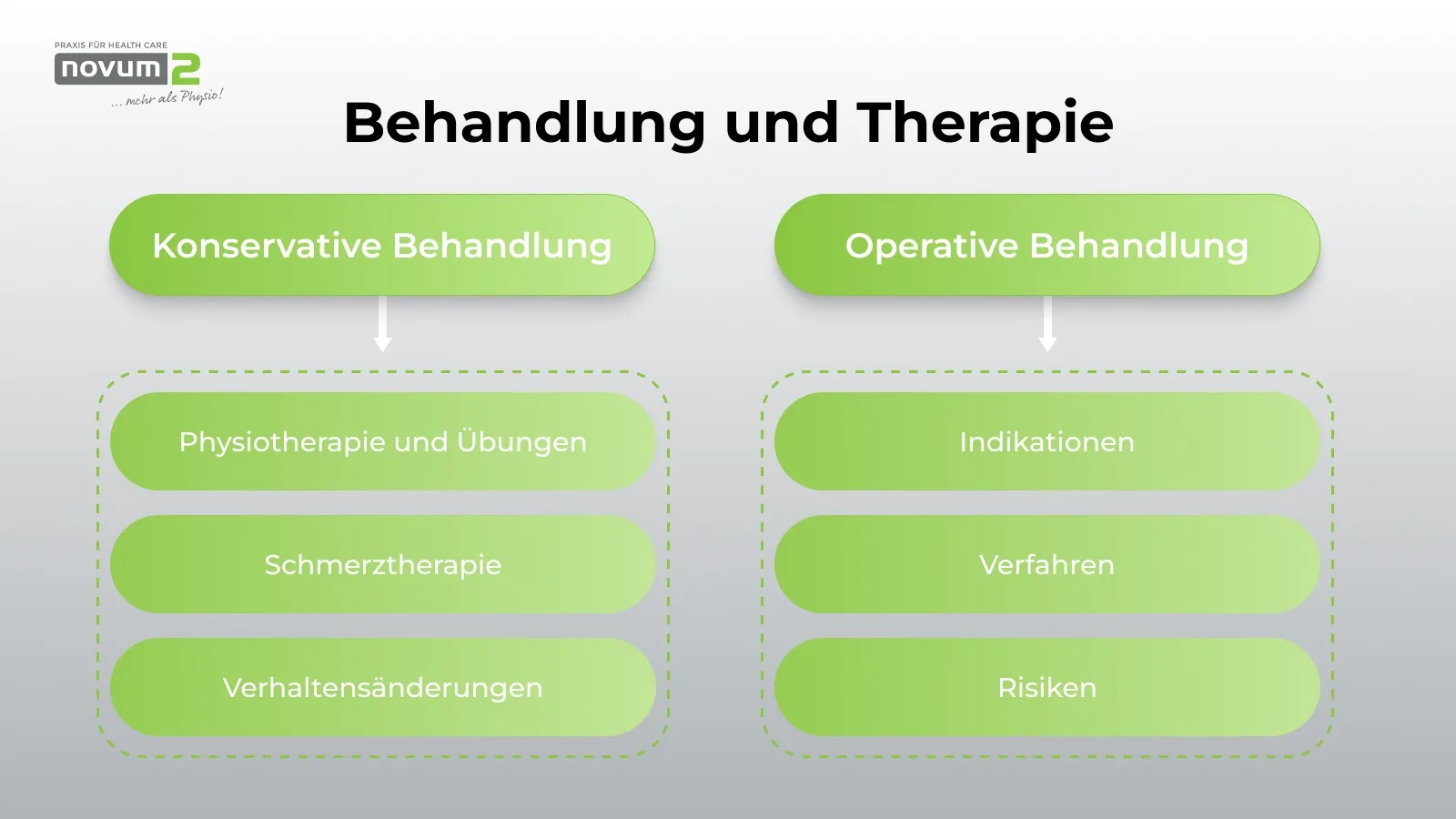
Conservative treatment
Most patients can be treated with conservative measures to relieve the shoulder narrowing:
- Physiotherapy and exercises: Targeted exercises to strengthen the shoulder and neck muscles can help.
- Pain therapy: Anti-inflammatory medications are frequently used to ease pain and inflammation.
- Behavioural changes: Avoiding activities that worsen the symptoms is also important.
Surgical treatment
In severe cases, an operation may be necessary:
- Indications: When conservative measures are unsuccessful and the pain persists.
- Procedures: Types of surgery include arthroscopic removal of the narrowing structures or reconstruction of the rotator cuff. A common measure is acromioplasty, which widens the space under the acromion and thus eases pain.
- Risks: Possible risks include infections, nerve injuries and the need for further therapy.
Rehabilitation and prevention
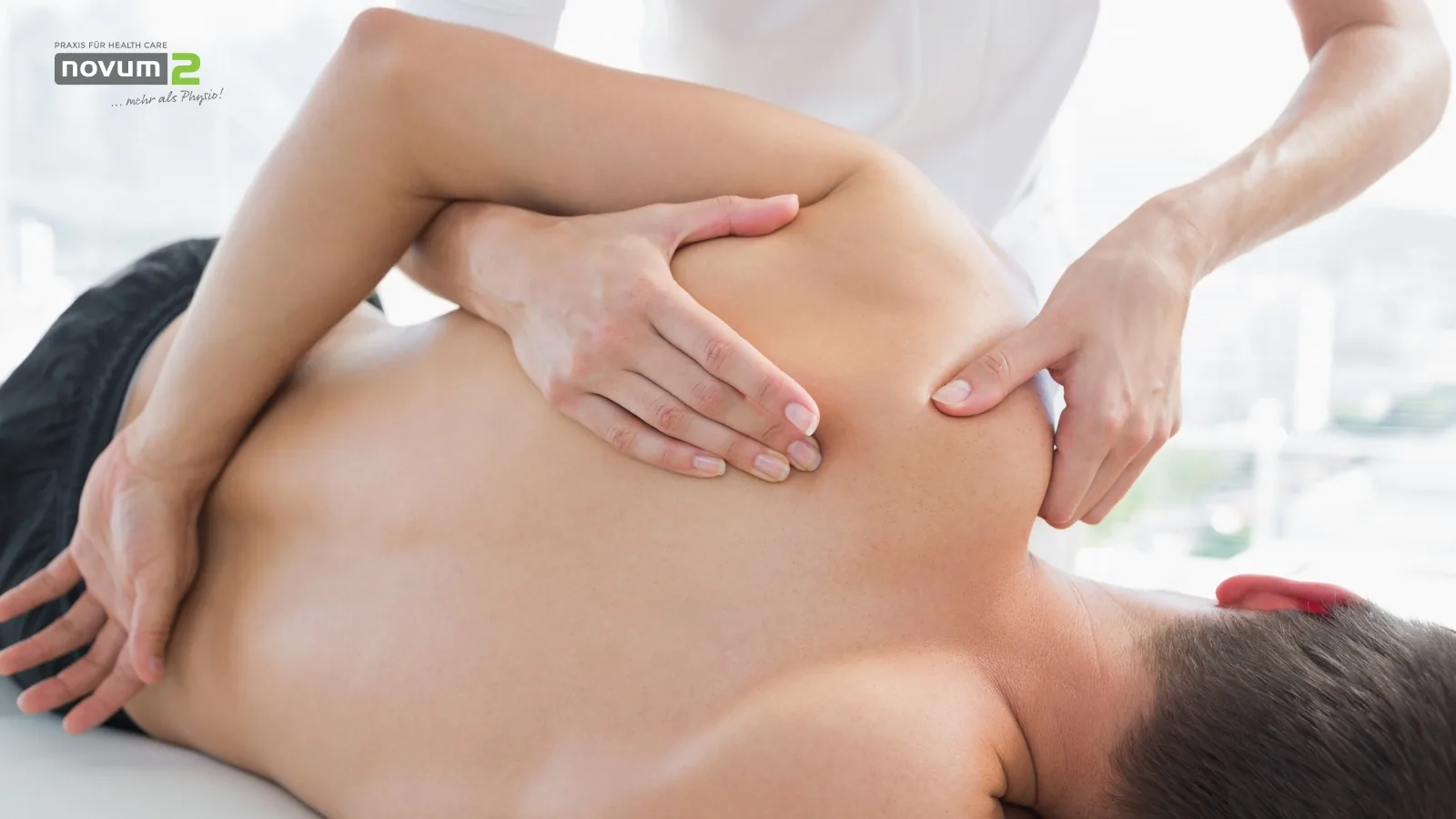
Rehabilitation after treatment
After treatment, comprehensive rehabilitation is decisive:
- Physiotherapy: Targeted therapy measures help restore mobility.
- Strengthening the shoulder muscles: Exercises for stabilisation promote effective healing.
Prevention
To avoid impingement syndrome, the following measures should be taken:
- Behavioural changes: Ergonomic behaviour in everyday life, especially with repeated movements.
- Strengthening the shoulder muscles: Regular muscle-strengthening exercises can help relieve the shoulder.
Are you struggling with shoulder impingement?
Our experienced specialists at NOVUM2 are at your side.
Book an appointment for an individual examination.