

In brief
- Definition: Partial or complete loss of muscle function due to disturbed signal transmission between the brain, spinal cord and muscles.
- Causes: Neurological conditions (e.g. ALS, multiple sclerosis), stroke, injuries, infections, tumours or nerve damage.
- Symptoms: Muscle weakness, restricted mobility, numbness, swallowing or breathing problems.
- Diagnosis: History, physical examination, imaging procedures, electromyography and nerve conduction tests.
- Therapy: Treatment of the underlying condition, physiotherapy, occupational therapy, supportive medication and targeted training to strengthen the muscles.
What is muscle paralysis?
Muscle paralysis means that certain muscles lose their function completely or partially.
It arises when nerve pathways are damaged or the nervous system no longer transmits signals correctly to the muscles.
Depending on the severity, specialists speak of a paresis (partial paralysis) or a plegia (complete paralysis).
For patients, muscle paralysis often means a noticeable restriction in everyday life – whether in walking, gripping, swallowing or even breathing.
Forms and course
Muscle paralyses can be classified by their form and course:
- Central paralysis: Damage in the central nervous system (brain or spinal cord), in particular from conditions or injuries of the brain.
- Peripheral paralysis: Damage to the nerves outside the brain and spinal cord.
The course depends strongly on the causes.
Some paralyses recede after therapy, others remain permanent.
Delayed action can have serious long-term consequences.
Causes

The causes of muscle paralysis are varied.
Frequent triggers are:
- Conditions such as multiple sclerosis or amyotrophic lateral sclerosis
- Damage from stroke or injuries
- Nerve damage from accidents or pressure on the nerve pathways
- Infections and inflammation of the nervous system
- Tumours in the brain or spinal cord
- Side effects of medication
- Poisoning: Toxic substances or environmental toxins can disturb the connection between nerves and muscles and thus cause muscle paralysis
Paralysis occurs when motor neurons or nerve cells are damaged and no more impulses are sent to the affected parts of the body.
Symptoms
Typical symptoms of muscle paralysis are:
- Loss or severe restriction of muscle strength
- Muscle weakness or weakness in certain limbs
- Missing sensation or numbness
- Restricted movement and mobility
- Increased risk of a fall, since muscle paralysis can impair balance and stability
- Problems with swallowing or breathing problems if the respiratory muscles are affected
- Visible signs of paralysis in the extremities or in the face
Diagnosis
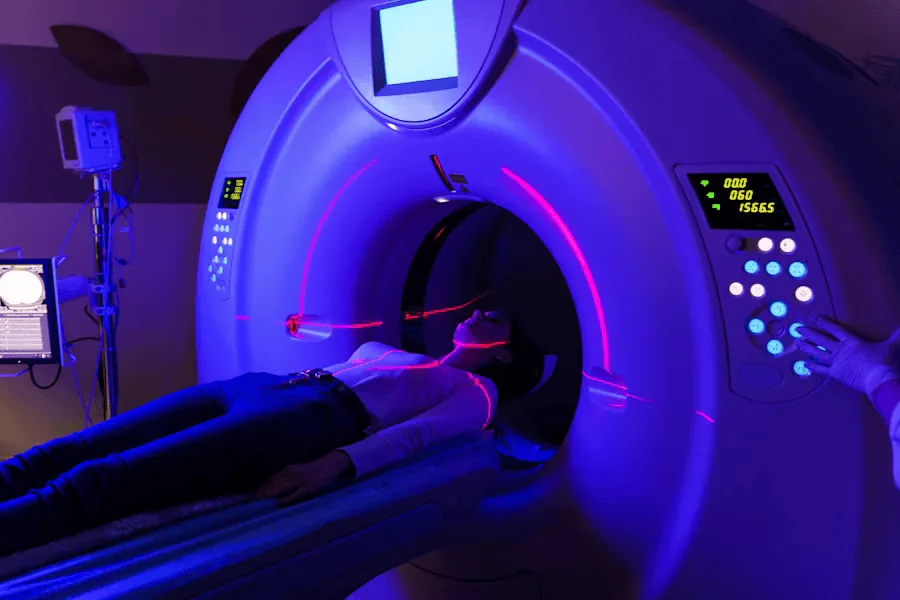
Neurologists and other specialists use a combination of history, physical examination and technical procedures to make the diagnosis.
The targeted use of technical aids such as electromyography allows precise diagnostics and supports the individual adaptation of further treatment.
These include:
- Muscle strength tests and functional examinations
- Imaging (MRI, CT) if damage in the central nervous system is suspected
- Electromyography to measure the electrical activity in the muscles
- Nerve conduction tests to assess the nerve pathways
The examination is always tailored to the individual person to ensure their safety and well-being.
The diagnostic procedures are adapted individually to the patient to allow the best possible care.
Amyotrophic lateral sclerosis (ALS)
Amyotrophic lateral sclerosis (ALS) is a serious condition of the central nervous system that leads to progressive muscle weakness and paralysis.
In ALS, it is primarily the motor neurons in the brain and spinal cord – responsible for controlling the muscles – that are affected.
The exact causes of this condition are not yet fully understood, but both genetic and environmental factors play a role.
Typical symptoms initially include increasing muscle weakness or paralysis in individual parts of the body, usually the arms or legs.
As the condition progresses, the complaints spread to other areas of the body, increasingly restricting the mobility of those affected.
The muscles for speaking, swallowing and breathing can also be affected.
Although there is as yet no cure for amyotrophic lateral sclerosis, various treatments are available that aim to ease the symptoms and preserve the quality of life of those affected for as long as possible.
These include drug therapies, physiotherapy measures and supportive aids.
Muscle paralysis in children
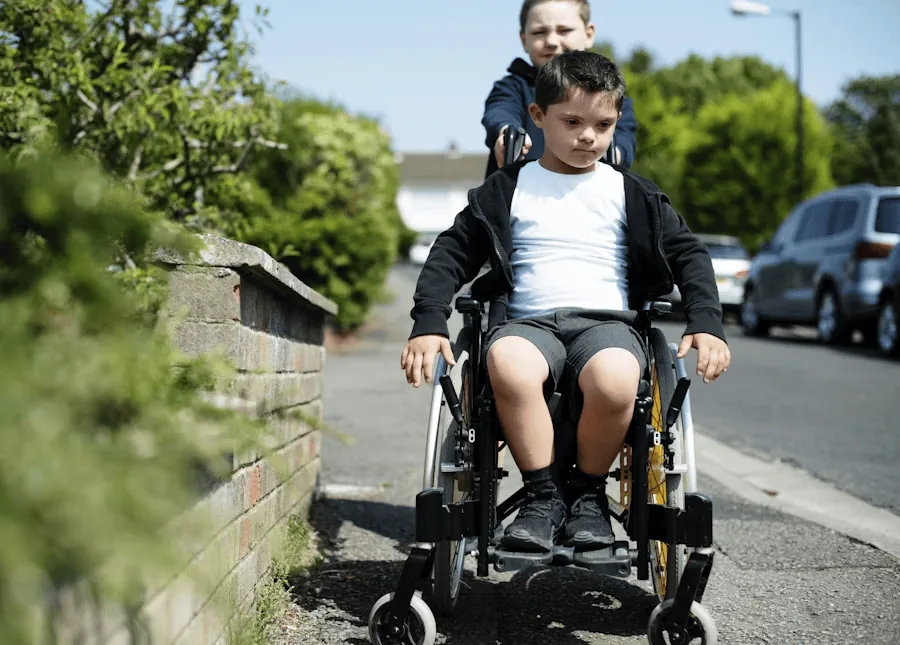
Muscle paralysis in children can be triggered by various conditions, injuries or infections.
The most frequent causes include genetic conditions, infections of the nervous system or accidents leading to nerve damage.
The symptoms usually show themselves as muscle weakness or paralysis of one or several parts of the body and can severely impair the child's development and mobility.
An early and comprehensive diagnosis by experienced neurologists is decisive for determining the exact extent of the muscle paralysis and initiating the appropriate treatment.
The therapy depends on the respective cause and, in addition to medical measures, can include physiotherapy and occupational therapy.
For children it is particularly important that parents and carers work closely with the treating specialists to ensure the best possible support and encouragement in everyday life.
Muscle paralysis and diet
A balanced diet plays a central role for people with muscle paralysis in strengthening the muscles and supporting general health.
Especially in severe cases, it is important to ensure a sufficient intake of proteins, vitamins and minerals, since these nutrients can promote the function and regeneration of the muscles.
Sufficient fluid intake should also not be neglected in order to supply the body optimally.
In some situations it can make sense to create an individual nutrition plan together with a nutritionist or doctor, or to use special dietary supplements, in order to meet the particular needs associated with muscle paralysis.
Stress management and relaxation with muscle paralysis
For those affected by muscle paralysis, it is important to look after their emotional well-being, since stress and anxiety can intensify the symptoms and impair quality of life.
Various relaxation techniques such as meditation, yoga, deep breathing exercises or progressive muscle relaxation help reduce stress and promote inner balance.
A supportive environment in which people with muscle paralysis can speak openly about their feelings also contributes to emotional stability.
If needed, support from a psychologist or therapist can make sense in order to develop individual strategies for stress management and strengthen mental health.
Treatment & therapy
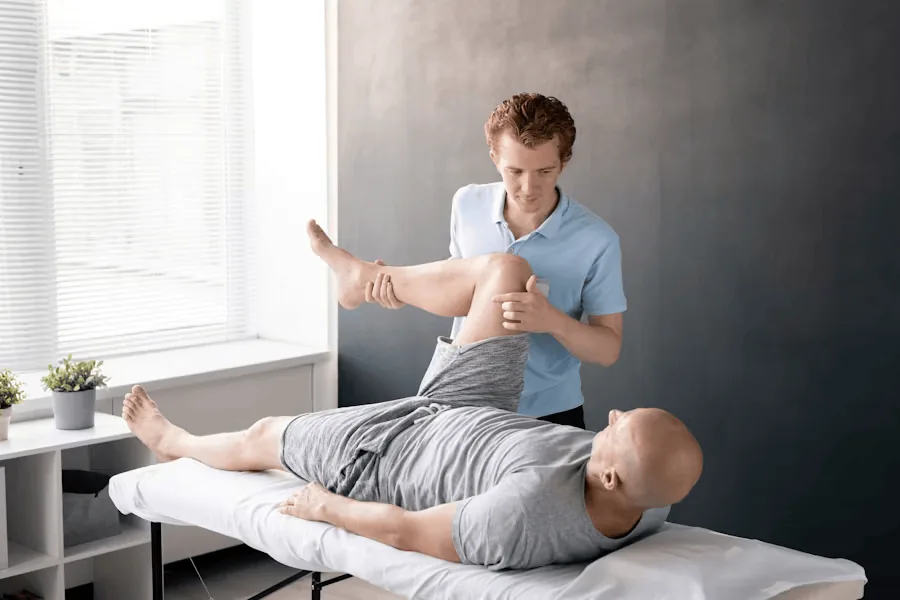
The therapy depends on the cause and severity of the paralysis.
Medical measures can include:
- Treatment of the underlying condition (e.g. in multiple sclerosis)
- Medication to support the nerves or muscles
- Surgical procedures for nerve damage
Physiotherapy measures:
- Muscle strengthening and targeted training
- Improving mobility
- Exercises to support the respiratory muscles
- The targeted use of therapies and technical aids, such as electrotherapy, can be adapted individually to optimally support the treatment.
The role of occupational therapy
Occupational therapy is an important part of the treatment of muscle paralysis.
The goal is to promote the mobility and function of the muscles and to help people maintain or regain their independence in everyday life.
Occupational therapists create individual therapy plans tailored specifically to the needs and abilities of those affected.
The role of physiotherapy

In physiotherapy practices, those affected receive an individual therapy plan tailored to their form of paralysis and its course.
This includes:
- Functional training to restore movement
- Coordination training for affected parts of the body
- Special techniques for stimulating the muscles
- Guidance on exercises for at home
The goal is to support patients in gaining more mobility and independence in everyday life.
Everyday life & prognosis
The prognosis for muscle paralysis varies greatly.
Some people regain their full muscle strength, others retain a permanent restriction.
Decisive factors are:
- Early diagnosis
- Consistent therapy
- Regular training and sufficient rest for regeneration
Suffering from muscle paralysis?
Muscle paralysis is always a serious symptom that should be clarified quickly.
With modern therapy and targeted training, many of those affected can considerably improve their quality of life.
Book an appointment here with our qualified physiotherapists.
FAQ
How does muscle paralysis come about?
Muscle paralysis arises when signals between the brain, spinal cord and muscles are disturbed – for example through nerve damage, conditions of the nervous system, injuries or inflammatory processes that impair the nerve pathways.
Which illness triggers muscle weakness?
Muscle weakness can have many causes – from neurological conditions such as multiple sclerosis, ALS or stroke to muscle diseases, metabolic disorders, infections or side effects of medication.
How does ALS begin?
Amyotrophic lateral sclerosis (ALS) often begins with subtle muscle weakness or involuntary muscle twitches in the hands, feet or facial muscles. Those affected often initially notice difficulties in gripping, walking or speaking.
How does muscle paralysis make itself felt?
Muscle paralysis shows itself through restricted or missing muscle strength, movement problems, muscle weakness, numbness or missing sensation. Depending on the cause, problems with swallowing, speaking or breathing can also occur.