
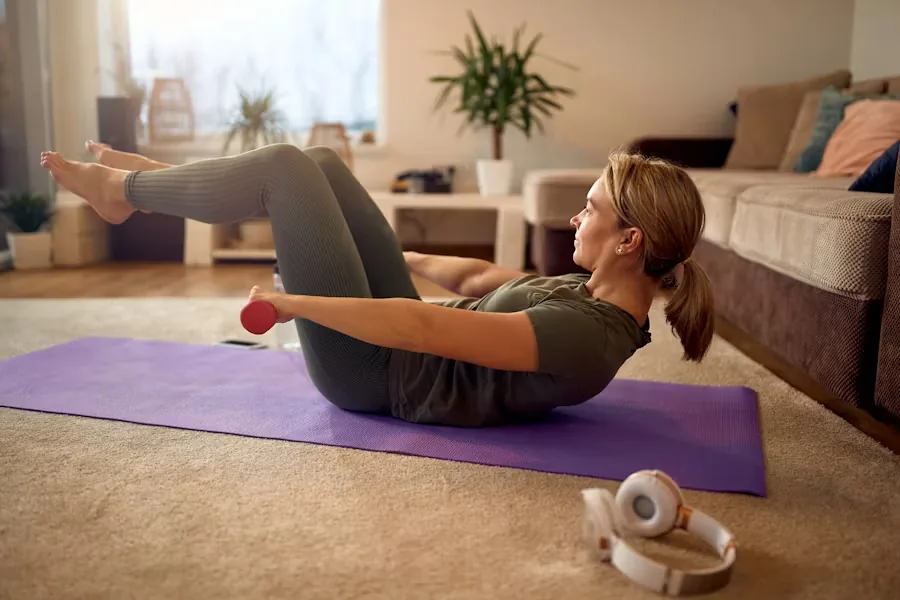
In brief
- Regular back training at home strengthens the muscles, prevents pain and improves mobility.
- Bodyweight exercises such as all-fours arm-leg raises, superman or the bridge are effective and need no equipment.
- Stretching after training keeps the back muscles supple and promotes mobility.
- Self-massage with a foam roller or ball releases tension and supports recovery.
- 2–3 training sessions per week and an active everyday life are the foundation of a healthy back.
A healthy back improves your quality of life
Back pain is a widespread condition.
Many people notice the first problems in everyday life: when bending, lifting or after long periods of sitting.
The good news: with regular back training at home, you can specifically strengthen your back muscles, prevent pain and improve your mobility – without expensive equipment or a trip to the gym.
Even with simple aids such as a soft mat, a massage ball or an exercise band, the exercises can be performed effectively and safely at home.
A healthy back is the foundation of an active, pain-free life and lets you enjoy life to the full.
Regular training at home is an important measure for preventing back pain and helps you stay free of complaints in the long term.
Why back training is so important
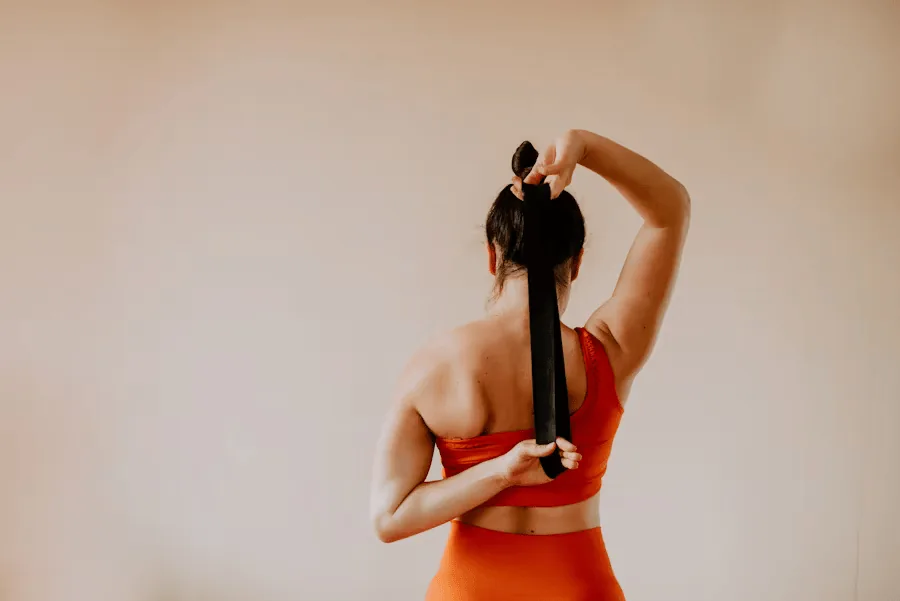
Your back is the central support of the body.
The muscles stabilise the spine, protect the intervertebral discs and allow you to move freely.
Strong back muscles form the basis of a healthy spine and a pain-free everyday life.
Training your back regularly not only prevents back problems and back complaints, but also improves your posture, body awareness and everyday strength.
Performing postures correctly and consciously shaping everyday activities are also decisive for back health.
Sports such as swimming or yoga specifically strengthen the back muscles and help prevent complaints.
Above all, the lower back and the back extensors benefit from targeted back exercises, as these areas are frequently weakened by long periods of sitting.
The muscles, especially individual muscles such as the back extensor, play a central role in the stability and mobility of the back.
Basics for safe back training at home
Before you start, note a few important points:
- Don't skip the warm-up – A short warm-up of 5–10 minutes prepares muscles, joints and circulation for the training.
- Correct posture – Keep your spine straight in every exercise and avoid jerky movements.
- Use your body weight wisely – Many bodyweight exercises are just as effective for the back as machine training. The best back exercises can also be done without dumbbells.
- An effective home workout – Back training at home can be designed as an effective workout combining mobilisation, strengthening and stretching.
- Adapt individually – Adapt the training programme to your fitness and any back problems.
- See a doctor when in doubt – With severe pain or acute problems, seek advice from a physiotherapist or doctor beforehand.
Back exercises – entirely without equipment
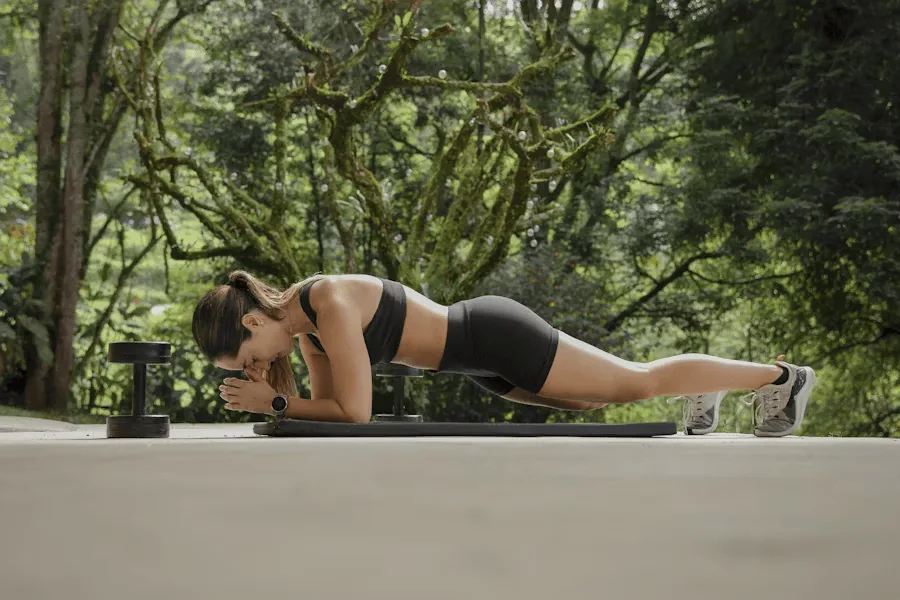
You can do these back exercises comfortably at home.
Each back exercise targets specific muscle groups of the upper body and contributes to strengthening and mobilising the spine.
All you need is some space and possibly a towel or a mat.
1. All-fours position with arm and leg raise
- Starting position: Get onto all fours (hands under the shoulders, knees under the hips).
- Execution: Simultaneously extend your right arm forwards and your left leg backwards.
- Goal: Strengthens the back muscles and abdominals and improves stability.
2. Superman on the floor
- Starting position: Lie on your stomach on the floor.
- Execution: Lift arms and legs slightly at the same time, gaze towards the floor. Lifting the legs particularly stretches and strengthens the backs of the legs, activating them.
- Goal: Trains the back extensor and the entire back musculature.
3. Bridge (glute bridge)
- Starting position: Lie on your back, feet hip-width apart, arms beside the body.
- Execution: Lift your buttocks until knees, hips and shoulders form a line.
- Goal: Strengthens the lower back, glutes and abdominals.
4. Plank with variation
- Starting position: Forearm plank, body in one line.
- Execution: Alternately lift one arm or one leg.
- Goal: Promotes strength, stability and protection of the lower back. This exercise stabilises and activates the whole body.
Stretching exercises for a mobile back
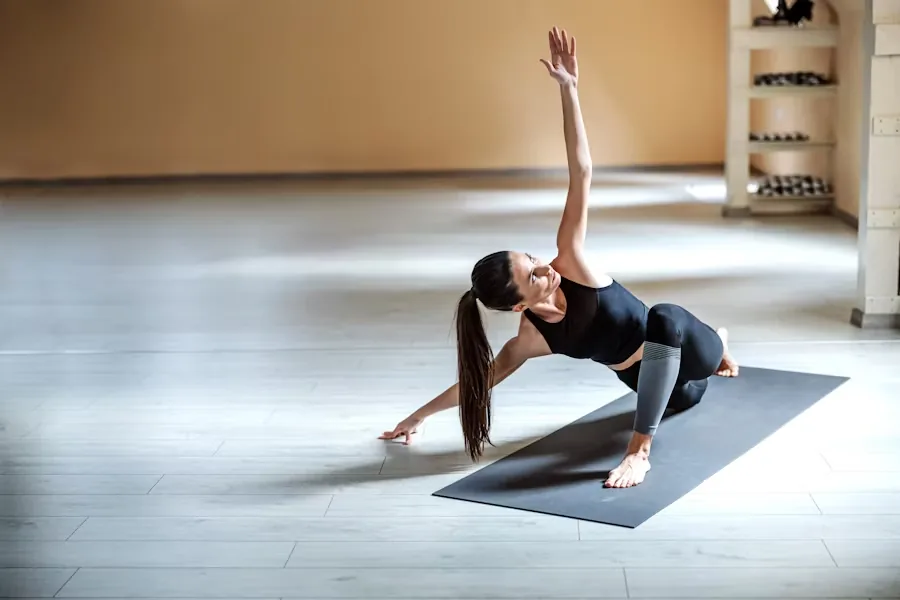
Stretching exercises are an indispensable part of effective back training.
They keep the muscles of the back supple and maintain or even improve mobility.
Especially after intensive training or long periods of sitting, targeted stretching helps release tension and relax the muscles.
Typical stretching exercises for the back include gently rounding and extending the spine on all fours (cat-cow movement) or side stretching while standing, extending one arm over the head and tilting the upper body to the side.
Carefully bending forwards from standing, letting the hands sink towards the floor, also stretches the entire back musculature and promotes the mobility of the back.
Make sure to perform each stretch slowly and in a controlled way, holding it for at least 20 to 30 seconds.
This supports muscle recovery and prevents shortening.
Integrate stretching exercises regularly after training or after longer rest periods to keep your back permanently mobile and healthy.
Self-massage and self-treatment – recovery for the back
You can also do a lot for your back's recovery without professional help.
Self-massage loosens the muscles, promotes circulation and helps release tension in a targeted way.
Especially after a strenuous workout or a long day of sitting, self-treatment can work wonders.
Tips for successful back training
- Train at least 2–3 times per week.
- Combine back exercises with exercises for the abdominals – a strong core relieves the back.
- Avoid long sitting without compensation – stand up regularly and move.
- Ensure an ergonomic position at your workplace.
Back training as a fixed part of your life
A targeted back programme can not only ease acute back pain but secure your back health in the long term.
With simple exercises at home, entirely without expensive tools, you improve your strength, mobility and posture – and gain a noticeable boost in quality of life.
Suffering from back pain?
Then book an appointment here with our qualified physiotherapists for individual advice.