
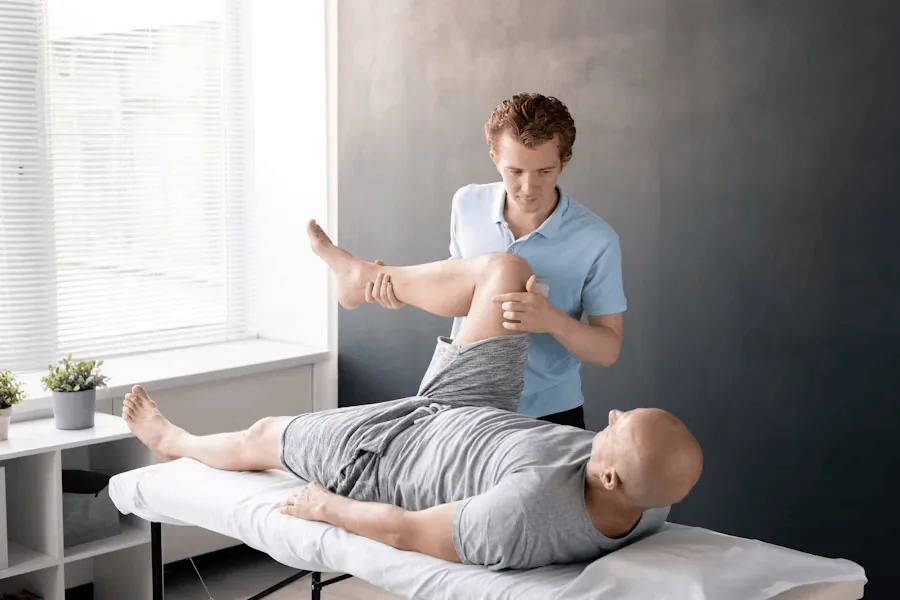
In brief
- Recognising weaknesses: Muscle function tests identify weakened muscle groups, muscle shortening and coordination disorders.
- Individual therapy: The results serve therapists and doctors as a basis for targeted treatment and training.
- Increasing capacity: Through targeted exercises, strength, mobility and coordination can be improved.
- Minimising injury risk: Imbalances and weaknesses are recognised early and compensated.
- Documenting progress: Repeated tests allow objective assessment of therapy success and progression.
Recognising deep exhaustion and muscular weaknesses
Chronic exhaustion is far more than normal tiredness.
People with chronic fatigue syndrome (ME/CFS) or similar complaints suffer from deep physical and mental fatigue that does not disappear with sleep.
In addition, cognitive impairments such as concentration and memory disorders ("brain fog") frequently occur.
Pain, sleep disorders, circulation problems or hypersensitivity to light or sounds can also massively impair quality of life.
This is where muscle function tests come into play: they serve targeted muscle function diagnostics to recognise weaknesses, imbalances or muscle shortening that can influence the course of complaints.
What are muscle function tests?
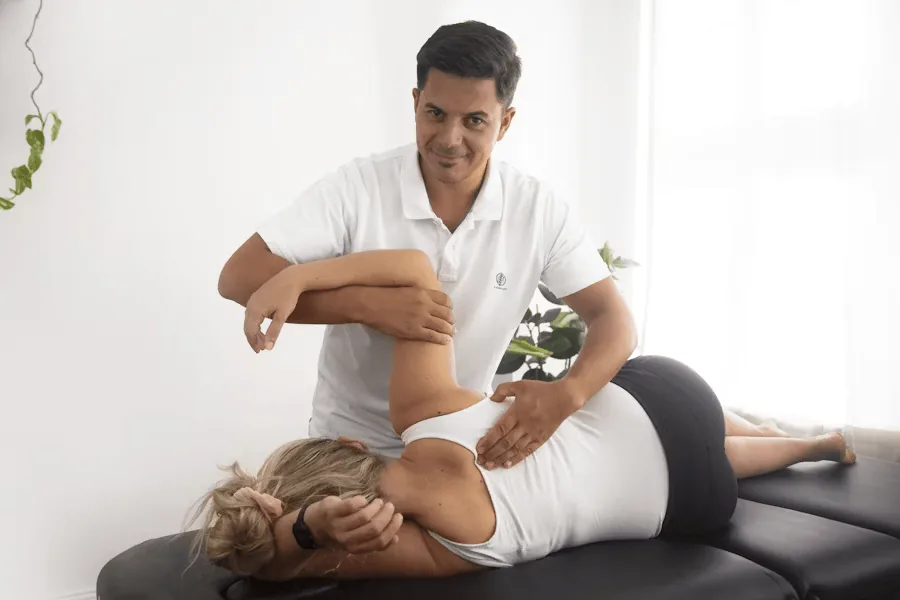
A muscle function test is a physiotherapy procedure in which the strength grades, function and coordination of individual muscle groups are checked.
Muscle contraction and mobility are tested under defined resistance.
The examination provides the therapist or doctor with important findings: which muscle groups show weakening, which are shortened, and which coordination disorders can increase the injury risk or reduce capacity.
The Janda method or sports medicine tests offer an orienting analysis that serves as the basis for targeted therapy or training.
Goals and benefits of muscle function diagnostics
- Recognising weaknesses and imbalances: Muscle function tests reveal asymmetries between the right and left sides of the body or deviations in strength development.
- Treating complaints in a targeted way: Through targeted physiotherapy, muscle shortening can be released, mobility improved and pain reduced.
- Minimising injury risk: Weaknesses in the back, core or other muscle groups increase the risk of injuries; tests help recognise this early.
- Measuring therapy success: Repeated tests show the course and effectiveness of therapy, training or treatment.
- Increasing capacity: Through targeted exercises and strength building, the muscles can be stabilised and function improved.
How a muscle function test is carried out
The examination takes place in several stages:
- History and assessment: The therapist records complaints, causes and connections.
- Positioning: Muscle groups are specifically isolated, often tested against gravity.
- Assessment of strength: Using scales or instruments, strength grades and responsiveness are determined.
- Analysis of movement and coordination: Function, flexibility and muscle contraction are assessed.
- Results and therapy planning: The findings serve as the basis for targeted physiotherapy, training and treatment.
Muscle groups frequently affected in chronic exhaustion

In people with chronic exhaustion or similar complaints, specific weaknesses in the muscles can often be identified.
The back, shoulders and core muscles are particularly affected.
Muscle function tests reveal deviations in muscle strength or mobility that can considerably restrict everyday capacity.
Targeted muscle function diagnostics allow the therapist or doctor to recognise the extent of the weakening and possible muscle shortening.
Typical signs of muscular imbalance
Imbalances between different parts of the body can become noticeable through poor posture, restricted movement or pain.
A person whose muscle function is not optimal often shows restrictions in coordination or flexibility.
Carrying out standardised tests provides information about strength grades, muscle contraction and possible disorders that would otherwise easily be overlooked.
Muscle function tests and energy management
- Basis for training and therapy:
Therapists receive concrete information about the person's capacity. Training and therapy can thus be adapted individually. - Targeted analysis:
Examination of muscle groups, strength, coordination and movement to avoid overload and control exertion in a targeted way. - Return to activity:
Planning the gradual resumption of normal everyday movements for a safe build-up of capacity. - Assessment in stages:
Strength grades, resistance and the response of the muscles are measured in defined stages, so that progress becomes visible and therapy success measurable. - Person-centred approach:
Consideration of individual weaknesses, muscle shortening and coordination disorders to reduce complaints and minimise the injury risk.
Special test methods in detail
| Procedure / method | Description | Goal / benefit |
|---|---|---|
| Janda method | Specific procedure for checking the muscle function of individual muscle groups | Recognising weaknesses, muscle shortening and coordination disorders |
| Sports medicine tests | Use of instruments to determine strength, function and mobility | Objective analysis of the muscles and a basis for therapy and treatment |
| Assessment on scales | Measurement of strength grades and muscle response in defined stages | Visible progress, documentation of therapy success |
| Differentiated examination | Combination of procedures and instruments for targeted diagnostics | Early recognition of imbalances and complaints, planning of therapy |
Case examples from practice
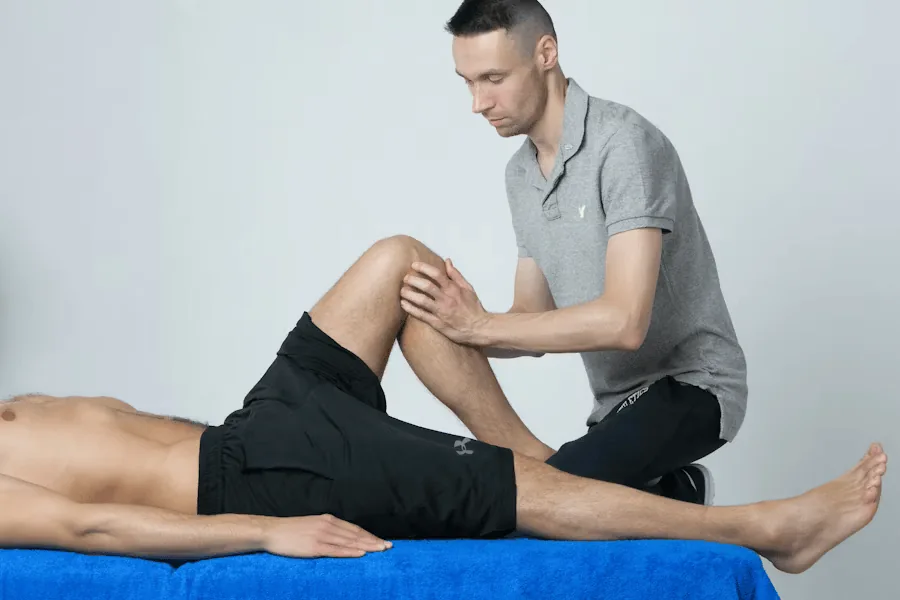
In practice it becomes clear that people make measurable progress after targeted physiotherapy with muscle function tests.
One example: a patient with weak back muscles was able to increase his capacity through targeted training and therapy.
Repeated checking in stages delivers results that serve therapists and doctors as findings and document the effectiveness of the treatment.
Integrating muscle function tests into the therapy plan
The diagnostics form the basis for individually tailored therapy and training. Therapists use the results to treat weaknesses in a targeted way, release muscle shortening and improve mobility.
Instruments, scales and procedures help in determining the strength grades and coordination, so that complaints can be reduced and the injury risk minimised.
Long-term monitoring and progress measurement
Repeatedly carrying out muscle function tests allows continuous analysis of the course.
The success of therapy, training or treatment can thus be assessed objectively.
Therapists receive information about changes in muscle strength, flexibility, coordination and function, which in turn makes the use of targeted exercises easier.
Collaboration between physiotherapists, doctors and patients
Interdisciplinary muscle function diagnostics combine physiotherapy, orthopaedics and sports medicine expertise.
The examiner delivers findings that serve doctors and therapists as the basis for treatment.
Connections between complaints, muscle groups and strength are analysed in order to address weaknesses and restore capacity.
Muscle function tests in physiotherapy
For people with chronic exhaustion, back pain or other complaints, targeted muscle function diagnostics are decisive.
- Energy management: Tests help avoid overload by realistically assessing muscle groups and capacity.
- Individual therapy: Weaknesses are treated in a targeted way, imbalances compensated.
- Training and rehabilitation: On the basis of the findings, therapists can develop exercises that promote strength, mobility and coordination.
Tips for patients between therapy sessions

Outside the practice, too, people can strengthen their muscles in a targeted way with muscle function tests.
Small exercises for the back, shoulders or core muscles promote mobility, flexibility and muscle strength. Therapists provide information about the causes of weaknesses and show methods for improving coordination and function in the long term.
The relevance of muscle function tests
Muscle function tests are an indispensable instrument in modern physiotherapy.
They allow the checking of muscle function, recognise weaknesses, muscle shortening and coordination disorders and thus create the basis for individual, successful therapy.
With professional diagnostics and targeted treatment, capacity can be improved, complaints eased and the injury risk reduced – a decisive step towards more function, stability and quality of life.
Do you have problems with your muscle function?
Book an appointment here and let our trained physiotherapists assess and treat you to ease your symptoms.