

In brief
- Physiotherapy is used as a complementary treatment for tension headaches – through targeted relaxation of the neck and shoulder muscles.
- Manual techniques and trigger point treatments release tension and improve blood circulation.
- Improving posture reduces muscular strain and prevents headaches.
- Individual exercises for muscle strengthening and stretching support long-term pain relief.
- Physiotherapy can help reduce the frequency and intensity of tension headaches.
What are tension headaches?
Tension headaches are characterised by a constant, pressing pain in the head area that often feels as if the head is being squeezed into a tight ring.
This type of headache frequently occurs in connection with muscle tension in the neck, shoulder and head area.
Particularly common symptoms are:
- A dull, pressing pain in the head, often on both sides
- Tension and pain in the neck and at the temples
- Fatigue and difficulty concentrating
- Irritability and increased stress
The causes of tension headaches are varied.
Often stress, poor posture or muscular tension in the neck and shoulder area are triggering factors.
Long periods of sitting at the computer or a lack of exercise can also intensify the complaints.
In many cases, several causes come together, which can lead to a chronic form of headache.
Who is affected by tension headaches?
Tension headaches affect people of all ages and both sexes, occurring more frequently in women.
Many sufferers experience tension headaches on fewer than 15 days per month.
However, there are also people who suffer from tension headaches on more than 180 days per year, which makes them a chronic headache.
As a result, many people who suffer from this type of pain see their quality of life considerably restricted.
Particularly at risk are people who are frequently exposed to high stress, work a lot at a desk or experience physical tension through poor posture in everyday life or at work.
Conditions such as anxiety disorders or depressive moods can also aggravate the symptoms and intensify the headaches.
How physiotherapy helps with tension headaches

Physiotherapy offers excellent support in easing tension headaches.
It aims to treat the causes of the pain and relax the muscles.
Targeted physiotherapy helps reduce the complaints, release tension and lower the frequency of headache episodes.
Here are the most important physiotherapy techniques:
- Pain relief and muscle relaxation
Physiotherapists use special manual techniques to loosen tense tissue. Targeted mobilisation of the neck and shoulder muscles improves blood supply and releases tension, leading to noticeable relief of tension headaches. - Posture optimisation
Poor posture, especially sitting in unfavourable positions for long periods, can aggravate tension headaches. Physiotherapists work with you on a healthy posture that reduces tension in the neck and shoulder area. This also includes standing up regularly, stretching and taking breaks. - Trigger point treatment
Trigger points are hardened areas in the muscle that can trigger pain. Targeted treatment of these points can reduce the pain and relax the muscles again. This technique is particularly effective for tense neck muscles and the area around the temples.
Long-term effects of chronic tension headaches
Chronic tension headaches occurring on more than 180 days per year can have considerable effects on the lives of those affected.
It is known that tension headaches not only impair physical health but can also trigger psychological consequences such as stress, anxiety and even depression.
The continuous burden of pain often restricts quality of life, making professional and social activities more difficult.
In the long term, chronic headaches can lead to a dependence on painkillers, which in turn can aggravate the complaints.
Early diagnosis and treatment through physiotherapy is therefore a sensible measure to minimise the effects of the condition and improve quality of life.
Practical exercises to ease tension headaches
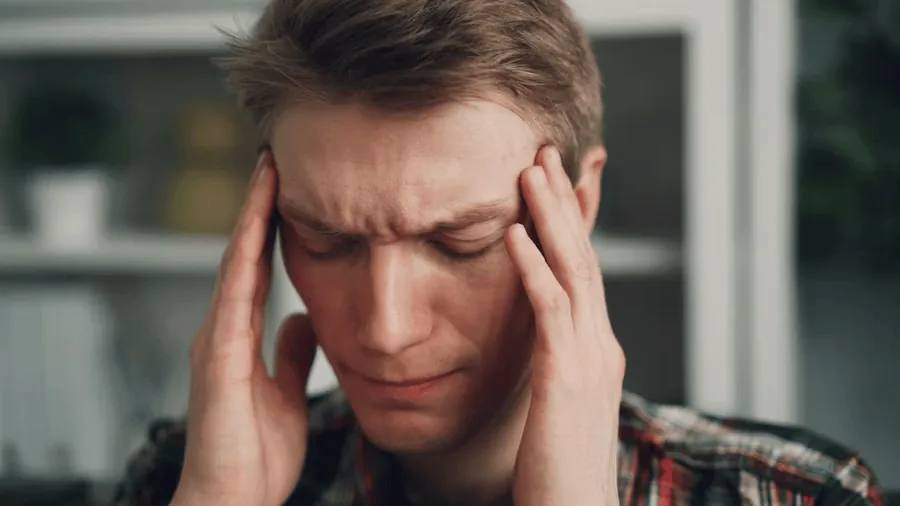
In addition to physiotherapy sessions, you can do some exercises yourself to ease tension headaches and reduce their frequency.
Here are a few exercises:
- Neck stretches
A simple neck stretch helps release tension. Tilt your head to the side and hold this position for 20 seconds. Then switch sides and repeat the exercise. - Shoulder circles
Sit upright and make slow shoulder circles. This exercise helps release tension in the shoulder and neck area and promotes circulation. - Chest opener
Sit upright, clasp your hands behind your head and pull your elbows backwards. This exercise opens the chest muscles and helps relieve the neck. - Progressive muscle relaxation
Tense different muscle groups one after the other, hold the tension for a few seconds and then release. This exercise helps relax the entire body and reduce stress.
Posture correction for less tension
The most common cause of tension headaches is poor posture.
People who work long hours at a desk in particular tend to have poor posture, which puts unnecessary strain on the neck muscles and leads to pain.
To prevent this, pay attention to the following points:
- The screen should be at eye level to relieve the neck.
- Your feet should be flat on the floor and your back straight against the chair.
- Frequent stretching and short breaks help loosen the muscles and avoid tension.
Breathing techniques for stress management
Stress is one of the most common triggers of tension headaches.
Targeted breathing techniques can lower your stress level and thus reduce the frequency of headaches.
A proven method is the 4-7-8 breathing exercise:
- Breathe in through your nose for 4 seconds.
- Hold your breath for 7 seconds.
- Then breathe out through your mouth for 8 seconds.
This exercise helps calm the body and reduce muscular tension in the neck and head area, resulting in less pain.
When should you see a doctor?

If tension headaches occur regularly, on more than 10 days per month, or are accompanied by serious symptoms such as nausea, sensitivity to light or visual disturbances, a doctor should be consulted.
A visit to your family doctor is particularly important to rule out migraine or other serious types of headache and to find suitable treatment.
A thorough examination, such as a neurological examination, helps identify the exact cause of the headaches.
Alternative treatment approaches for tension headaches
Besides physiotherapy, there are other treatment options that can help with tension headaches. These include:
- Acupuncture to relax the muscles and ease pain.
- Chiropractic treatments to improve the mobility of the spine and neck.
- Biofeedback and relaxation exercises, which help reduce stress and ease the headache in the long term.
Tension headaches are a common and burdensome condition, but they do not have to rule your life.
Physiotherapy offers effective treatment to address the causes of this pain and ease the complaints.
Through regular exercises, good posture and the right relaxation techniques, you can reduce the frequency of headaches and achieve a significant long-term improvement in your quality of life.
The differences between tension headaches and migraine
| Characteristic | Tension headaches | Migraine |
|---|---|---|
| Character of pain | Dull, pressing, pulling, like a tight band around the head | Pulsating, intense, one-sided (usually on one side of the head) |
| Frequency | Frequent but less intense; often on several days per month | Less frequent but very intense and often long-lasting |
| Duration | Can last several hours to days | Usually between 4-72 hours per attack |
| Pain intensity | Mild to moderate | Very severe, considerably impairs everyday life |
| Accompanying symptoms | Rare, sometimes slight nausea | Frequently nausea, vomiting, sensitivity to light, sensitivity to sound |
| Triggers | Stress, poor posture, muscle tension, long screen time | Hormonal changes, strong stress factors, certain foods, lack of sleep |
| Frequency of episodes | Can occur several times per week or month | Less frequent, but can last several days in a month |
| Location of pain | Both sides, in the neck, shoulder and forehead area | One-sided, usually on one side of the skull |
| Therapy | Physiotherapy, relaxation exercises, pain-relieving medication | Migraine medication, specialised migraine therapy, rest, darkness |
| Influence of movement | Usually no greater impairment through movement | Movement or physical activity can aggravate the symptoms |
Behaviours that aggravate tension headaches

Some behaviours can intensify tension headaches or even contribute to their development.
Headaches are often the result of everyday habits that put unnecessary strain on the neck, shoulders and head.
It is important to become aware of these behaviours in order to reduce or even avoid the pain.
Here are some of the most common causes:
- Poor posture
One of the greatest strains on the muscles of the neck and shoulders comes from poor posture, especially when working at a desk. A hunched posture or sitting for long periods with the head bent forwards can intensify tension around the temples and neck, provoking tension headaches. - Excessive caffeine consumption
Too much caffeine can increase pain sensitivity and intensify the pain of tension headaches. Sudden caffeine withdrawal can also cause headaches. - Irregular sleep
Poor sleep habits or insufficient sleep are also a common cause of tension headaches. Too little sleep can fatigue the muscles and put the head into a tense state. - Stress and anxiety
Stress is one of the most common causes of tension headaches. Long-term stress leads to muscular tension and can even result in chronic tension headache, occurring on more than 180 days per year. - Excessive use of painkillers
Frequent use of painkillers to ease the complaints can, paradoxically, intensify the pain in the long term. Excessive dependence on painkillers can lead to what is called medication-overuse headache, in which the headaches become chronic.
Suffering from tension headaches?
Book an appointment here at our physiotherapy practice in Cologne and let our experts advise you on the various treatment options.