In brief
- Avoiding injuries: Targeted preparation is the best protection against ski injuries and accidents on the slopes.
- Strengthening muscles: Strong muscles in the legs and trunk stabilise the joints and lower the injury risk.
- Checking equipment: Incorrectly adjusted equipment is a frequent cause of knee injuries. Have your bindings checked by an expert.
- Warming up properly: A short programme activates the cardiovascular system and prepares ligaments and tendons.
- Taking breaks: Tiredness increases the risk of injury. Listen to your body and allow yourself recovery.
Skiing: sport, fun and risk
Finally, snow again!
For many people, skiing is the finest sport in winter.
But the change from the office chair to the slopes is an enormous challenge for the body.
Much is demanded of skiers: strength, endurance and coordination must work together.
Without physical fitness, the risk of sports injuries rises drastically.
Yet the number of injuries can be considerably reduced through targeted prevention.
Whether you are a beginner or ski like a pro – the right preparation is the key to enjoying your ski holiday in good health.
The most common skiing injuries
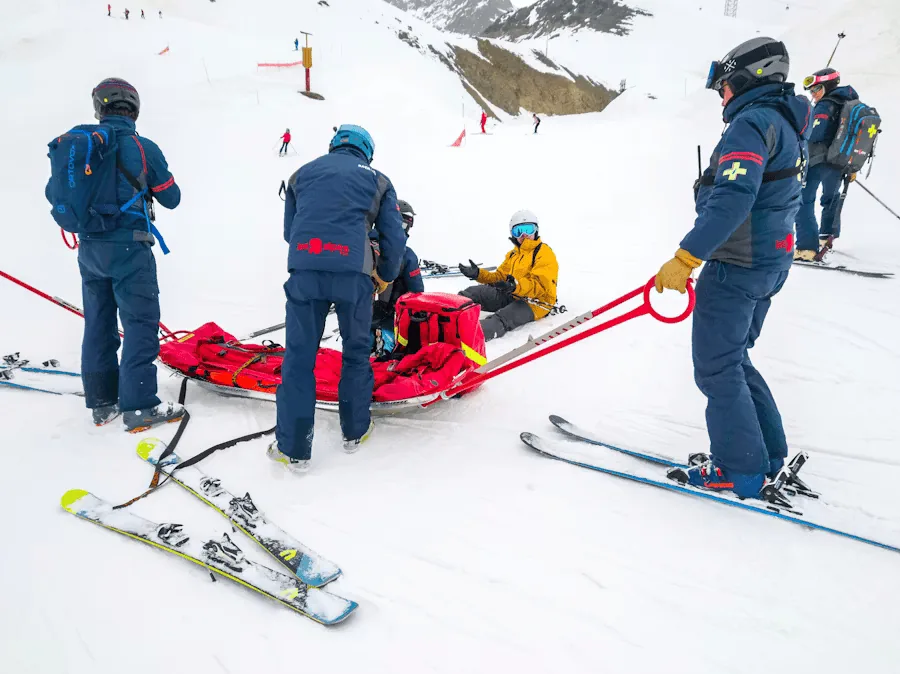
The accident statistics in winter sports are clear: the knee is most affected.
Knee injuries such as tears of the cruciate ligament or meniscus damage are classic diagnoses we see in follow-up treatment.
There are differences here: while women, for anatomical reasons, more frequently suffer ligament injuries in the knee, men often sustain shoulder injuries from falls at high speed.
Typical ski injuries at a glance:
- Knee: Ligament tears, meniscus damage.
- Shoulder: Dislocations, fractures.
- Trunk & hands: Contusions, strains and the so-called "skier's thumb".
- Bones: Fractures from hard falls.
Causes: why do accidents happen?
Often the reasons for an accident are avoidable.
Apart from the fault of others, it is usually one's own factors that lead to the injury:
- Lack of fitness: Untrained muscles tire quickly and can no longer stabilise the joints.
- Overconfidence: A risky style of skiing above one's own limit.
- Equipment faults: The binding does not release in the event of a fall.
- Tiredness: Concentration declines in the late afternoon.
Prevention: your path to a safe descent
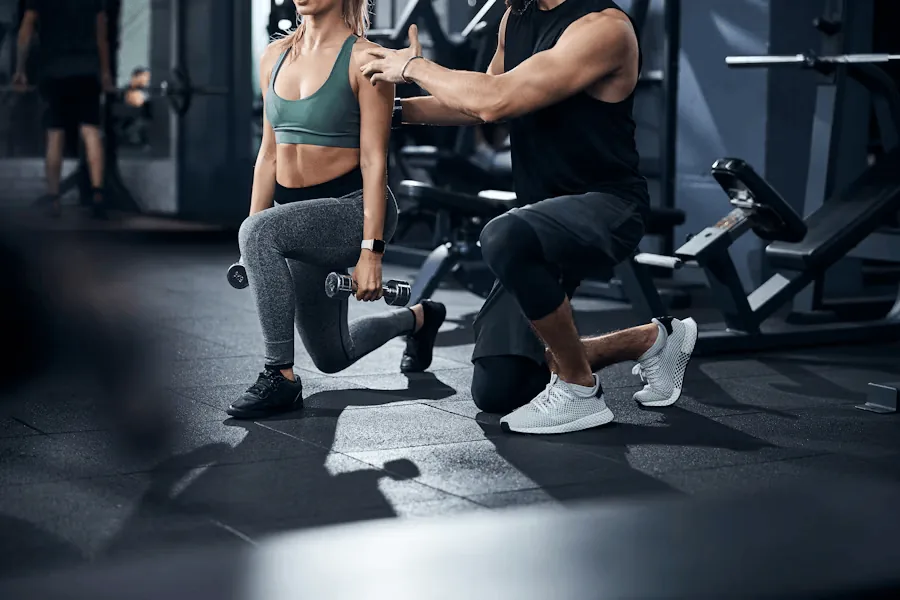
Avoiding injuries begins not on the snow but weeks beforehand at home.
A good athlete prepares.
Our experts at NOVUM2 recommend a programme based on methods that a team doctor in football or racing would also use for his athletes.
1. The training
Ideally, start 6 to 8 weeks before your holiday.
- Strength: Train your thighs, glutes and trunk. Strong muscles act like protective armour for your skeleton.
- Endurance: A strong cardiovascular system ensures that you can still master the last descent with full concentration.
- Proprioception: Exercises on unstable surfaces improve the reaction of your ligaments and tendons to uneven terrain.
2. The equipment
The use of back protectors and a well-fitting helmet should be standard today.
Check your equipment before departure: does the ski boot fit?
Is the binding's release setting (Z value) adjusted to your current weight and skiing ability?
Tips for everyday life on the slopes
To stay healthy, here are the best tips and precautions for every ski day:
What to do in an emergency?
Should a fall occur despite all protective measures and you feel pain:
- As first aid, follow the PRICE principle (protection, rest, ice, compression, elevation) – according to newer recommendations, use ice only briefly for pain relief.
- See a doctor or a clinic on site to rule out fractures.
- For further treatment and rehabilitation, we are here for you in Cologne.
We work closely with your orthopaedist or sports physician to get you fit again quickly.
We support you in becoming active again after an injury.
Fun with minimal injury risk
Skiing should be fun, not end in hospital.
With the right preventive measures and some discipline, you can minimise the injury risk.
Invest in your body – it is your most important piece of sports equipment.
Ready for winter?
Play it safe.
Let us check you over and receive individual tips for your training.
Book an appointment at our practice now.