
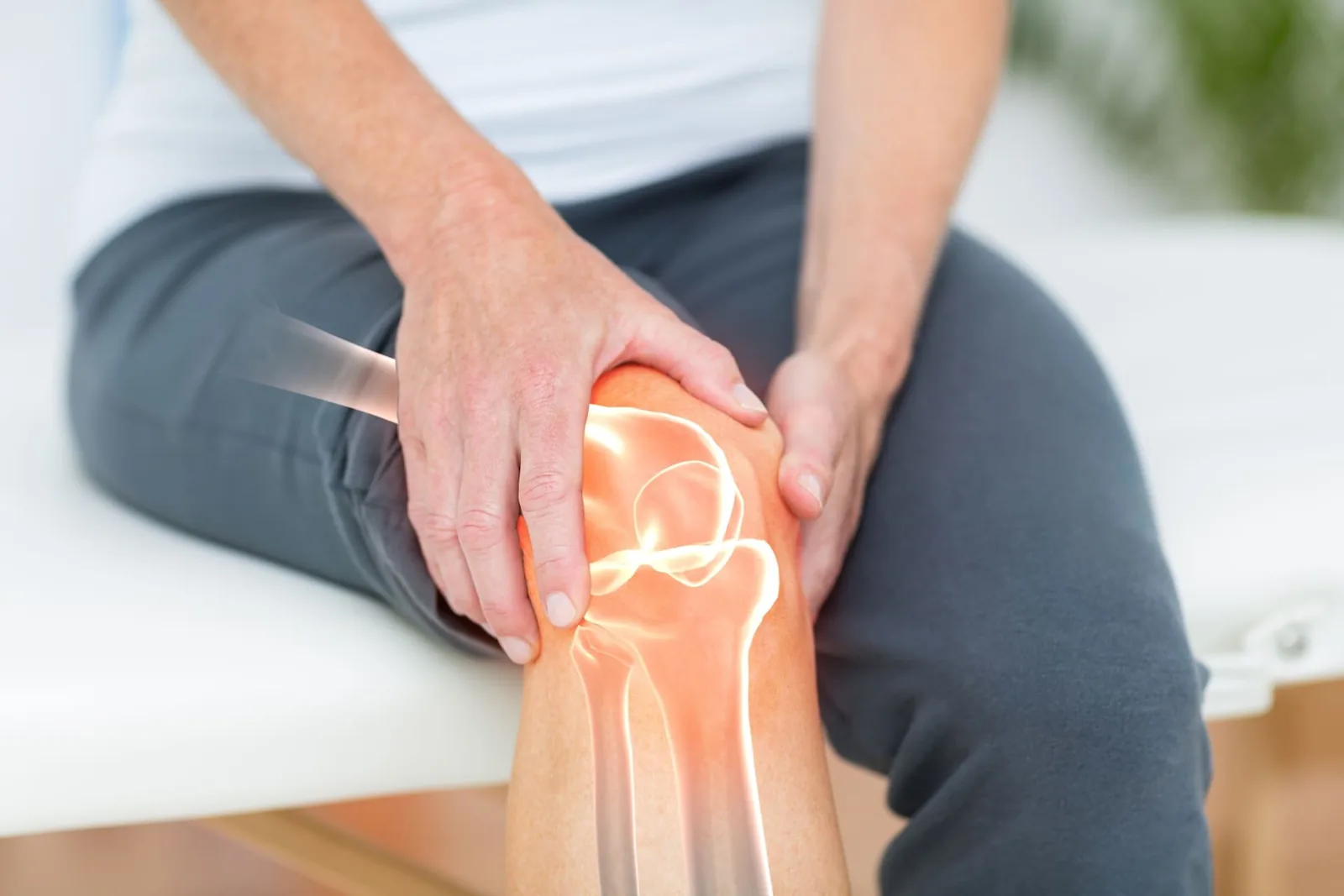
What is orthopaedics?
Orthopaedics is a central medical speciality concerned with the diagnosis, treatment and prevention of conditions of the musculoskeletal system. This encompasses bones, joints, muscles, tendons and ligaments – all elements essential for our daily mobility and functioning.
What exactly does an orthopaedist do?
An orthopaedist is a medical specialist focused on treating conditions and injuries of the musculoskeletal system. These doctors play an essential role in caring for patients with musculoskeletal complaints.
- Diagnosis: Taking various diagnostic measures to identify the cause of complaints
- Therapy: Developing and implementing treatment plans that can range from physical therapies to operations
- Aftercare: Monitoring the recovery process and adjusting therapy as needed
When to see an orthopaedist?
The decision to see an orthopaedist is often a decisive step towards easing complaints and improving quality of life. If you suffer from the following symptoms, you should see an orthopaedist for a thorough examination:
- Persistent pain in the musculoskeletal system
- Movement restrictions or joint pain
- Acute and chronic injuries, such as sports injuries
- Deformities or visible changes in bones and joints
Treatment methods in orthopaedics
The treatment methods in orthopaedics are varied and are tailored individually to patients' needs in order to achieve optimal results.
| Aspect | Conservative therapy | Surgical therapy |
|---|---|---|
| Definition | Non-surgical treatment options for recovery and pain relief. | Surgical procedures to correct conditions and injuries. |
| Main approach | Emphasises non-invasive measures such as physiotherapy and medication. | Requires surgical procedures for repair or correction. |
| Examples | Physiotherapy, medication, pain therapy, chiropractic. | Orthopaedic surgery, spinal operations, joint replacement. |
| Goal | Pain relief, improved function, avoidance of operations. | Removal or correction of problems that cannot be resolved conservatively. |
| Risks and complications | Lower risks compared with operations. | Associated with surgical risks and post-operative complications. |
| Indications | Common for mild to moderate conditions or for pain control. | For severe conditions that conservative therapies cannot adequately treat. |
| Time required | May require longer-term treatment. | Usually requires a shorter but more intensive phase. |
Latest developments in orthopaedic treatment
Orthopaedics is a constantly evolving speciality. Advances in medical technology and research lead to ever more effective therapy options.
- Minimal invasiveness: Modern surgical techniques allow procedures with lower risk and faster recovery.
- Biotechnology: The development of new materials and prostheses improves the lifespan and function of implants.
- Digitalisation: Thanks to innovative diagnostic and planning tools, treatments can be designed more precisely and individually.
Rehabilitation and aftercare in orthopaedics
Rehabilitation is a central part of treatment in orthopaedics. It often begins shortly after the operation and is aimed at restoring the function of the musculoskeletal system and returning to everyday life.
- Physiotherapy: Individually tailored exercise sessions help improve mobility and strength.
- Occupational therapy: Supports patients in resuming everyday activities.
- Aftercare: Regular check-up appointments ensure that recovery proceeds optimally and any complications are recognised early.
Prevention of orthopaedic problems

An active and healthy lifestyle contributes to preventing many orthopaedic complaints.
- Movement: Regular training strengthens the structure of the musculoskeletal system
- Ergonomics: Adjustments in everyday life and at work can help avoid harmful loading
- Education: Knowledge of risk factors and early symptoms is essential
Preventive measures for orthopaedic health
- A balanced diet to strengthen bones and muscles
- Avoiding excess weight to protect the joints
- Regular breaks during sedentary work to relieve the spine
Orthopaedics and trauma surgery: a dual speciality
Orthopaedics and trauma surgery form a dual speciality that deals both with congenital or acquired conditions of the musculoskeletal system and with treatment after accidents.
| Conditions/complaints | Possible forms of therapy |
|---|---|
| Osteoarthritis and arthritis | Medication, physiotherapy |
| Osteoporosis | Medication, movement therapies |
| Spinal conditions | Conservative and surgical measures |
| Sports injuries | Rehabilitation, surgery if necessary |
The path to diagnosis and therapy
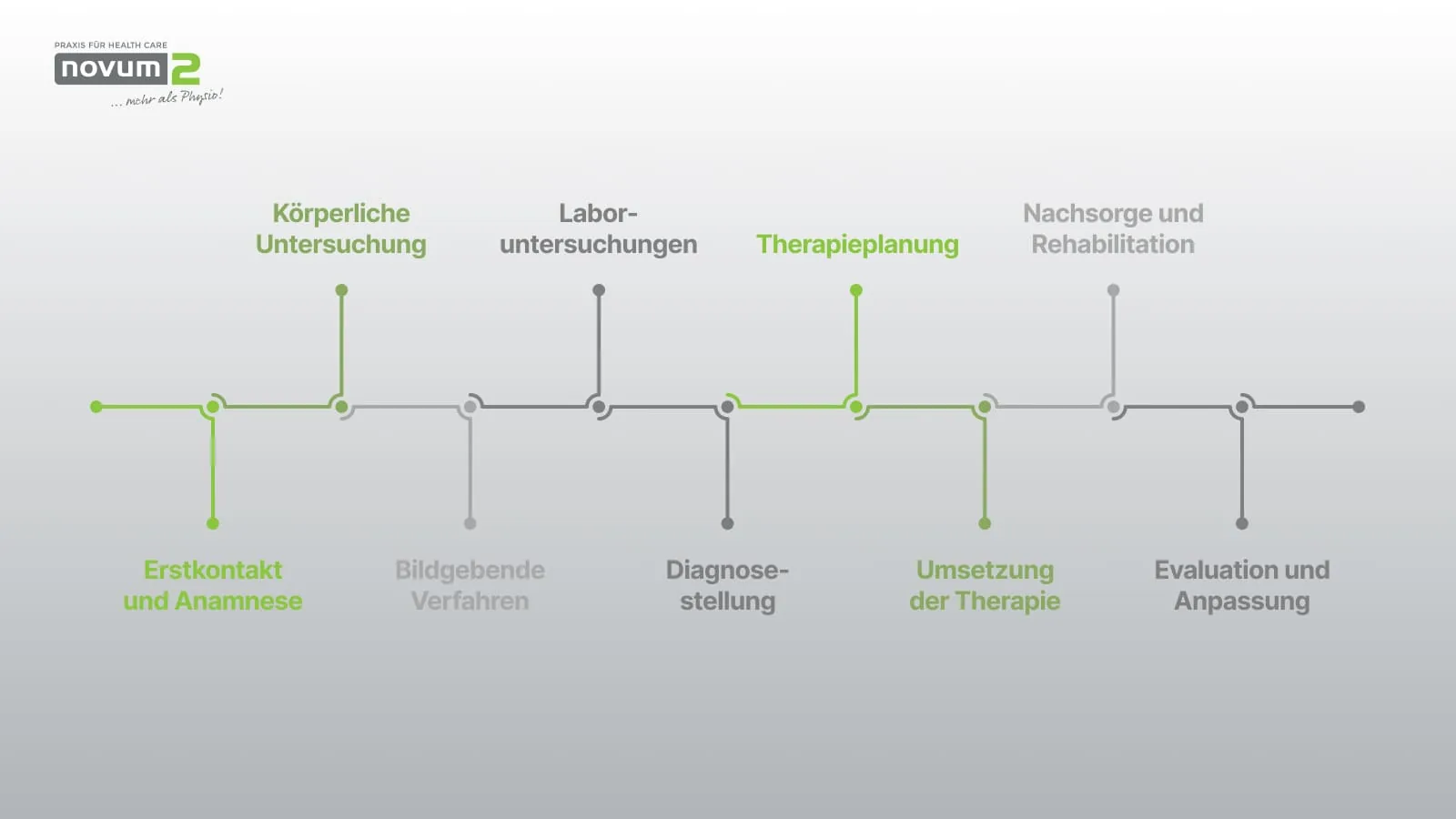
As part of diagnostics, orthopaedists use modern procedures to determine the causes of the complaints. Based on the results, an individual therapy plan is created at the clinic or practice.
- Initial contact and history: The patient describes the symptoms and medical history to the orthopaedist.
- Physical examination: The doctor examines the affected areas for abnormalities and functional restrictions.
- Imaging procedures: X-ray, MRI or CT scans are used to take a closer look at the internal structures of the musculoskeletal system.
- Laboratory tests: Blood tests and other laboratory tests help detect inflammation or infections.
- Diagnosis: With all the information gathered, the orthopaedist makes a diagnosis.
- Therapy planning: Together with the patient, an individual treatment plan is developed that can include conservative or surgical measures.
- Implementation of therapy: The treatment is carried out according to the plan and can range from medication and physiotherapy to surgical procedures.
- Aftercare and rehabilitation: After treatment, the orthopaedist supports the patient in rehabilitation to promote recovery.
- Evaluation and adjustment: The success of the treatment is regularly assessed and the therapy adjusted as needed.
Paediatric orthopaedics – when children need to see an orthopaedist
Paediatricians often work closely with orthopaedists to recognise and treat congenital or developing conditions early.
- Common conditions: Scoliosis, hip dysplasia, osteochondrosis
- Treatment approaches: Non-surgical measures such as physiotherapy and orthoses, through to corrective operations
How parents can help: prevention and early recognition
Preventive measures and knowledge of certain signs can help recognise potential problems early.
- Regular check-ups: Important for the early diagnosis of misalignments and malformations
- Support through movement: Promoting motor development through age-appropriate sports and activities
The treatment process for children's orthopaedic complaints
- Individual therapy plans: Adapted to the child's needs and growth
- Involving the family: The family's support is an important aspect of therapy and rehabilitation
Our tips for parents
- Pay attention to your child's ergonomic posture when sitting and carrying objects.
- Encourage participation in sporting activities to strengthen muscles and joints.
- Visit the paediatrician regularly and follow recommendations for preventive care.
As parents, you play a decisive role in your children's orthopaedic health by actively participating in prevention and treatment.
Common orthopaedic conditions
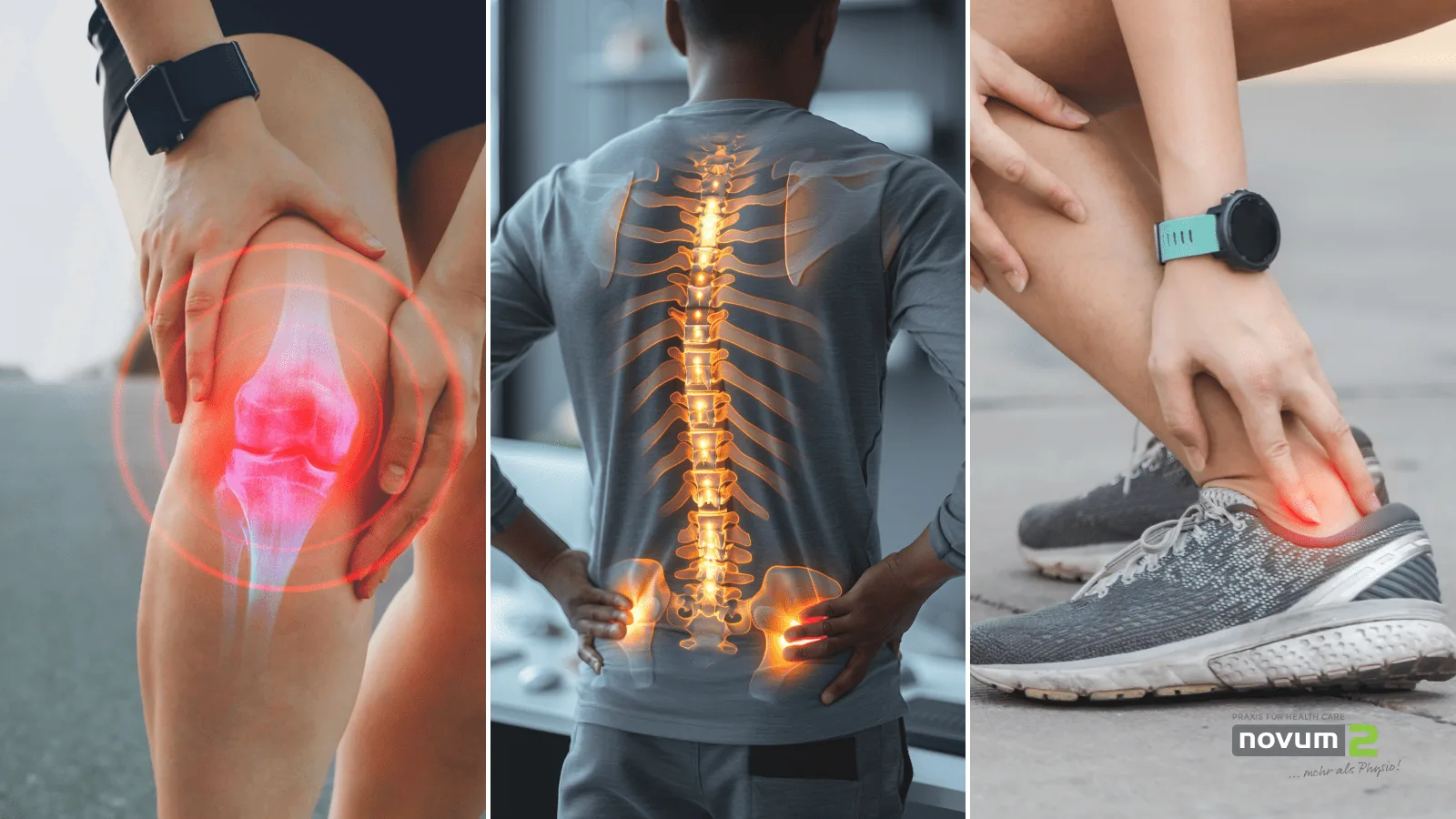
In orthopaedics there is a broad spectrum of conditions affecting the musculoskeletal system that require different treatment approaches.
- Osteoarthritis: Wear of the joints, often treated with pain therapy and joint replacement
- Herniated discs: Can require conservative or surgical measures
- Tendon inflammation: Often caused by overloading, treated with rest and anti-inflammatory measures
The future of orthopaedics
Orthopaedics is an area of medicine that profoundly influences people's lives by protecting and restoring their ability to move.
It is a dynamic speciality and continuously evolves to offer patients with conditions of the musculoskeletal system the best possible treatment.