
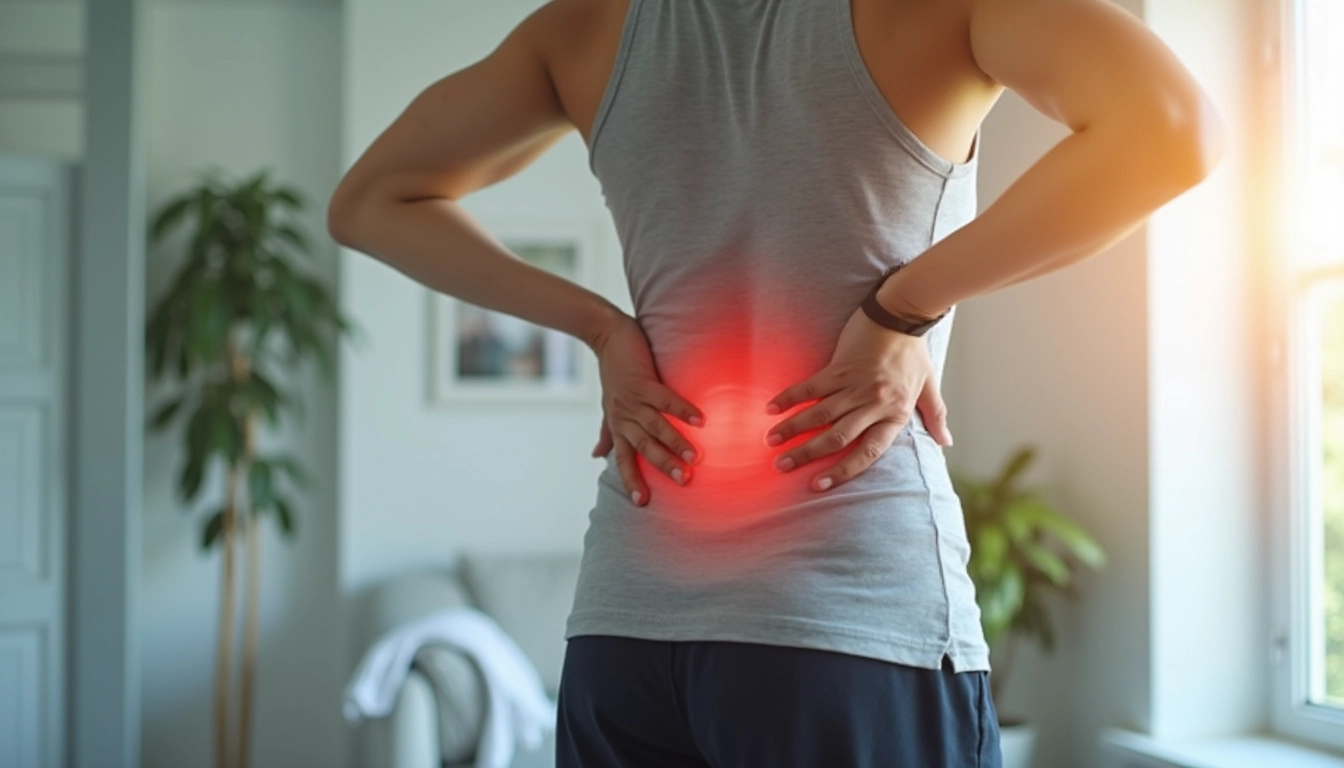
What is lumbago?
Lumbago – in German colloquially called "Hexenschuss" ("witch's shot") – describes acute pain in the lower back, often caused by overload, incorrect lifting technique or a herniated disc in the lumbar spine.
Relief can come from heat applications and staying gently active, the targeted use of NSAIDs, and therapeutic measures such as physiotherapy, acupuncture and ergonomic adjustments.
In addition, activities such as yoga, tai chi, chiropractic, osteopathy, TENS devices, massage and correct lifting support long-term recovery and strengthen the back muscles.
Suffering from acute lumbago? Book an appointment at our practice in just 2 minutes: Book an appointment now
Symptoms and causes of lumbago
Symptoms of lumbago
| Symptom | Description |
|---|---|
| Severe pain in the lower back | Sudden, intense pain that considerably restricts freedom of movement. |
| Restricted mobility | Difficulty bending, straightening up or changing sitting position. |
| Muscle tension | Clearly noticeable tension in the back muscles, often accompanied by stiffness and cramps. |
| Numbness & tingling | Pain radiating into the legs, accompanied by slight numbness or tingling. |
Causes of lumbago
| Cause | Description |
|---|---|
| Incorrect lifting technique | Improper lifting of heavy objects overloads the lumbar spine. |
| Overload and muscle tension | Repeated overexertion or lack of exercise causes painful, pronounced tension. |
| Herniated discs & degenerative processes | Age-related structural changes that increase the risk of chronic back pain. |
| Psychosocial stress | A high stress level and a predominantly sedentary lifestyle promote the development of lumbago. |
Your path to a better quality of life: Trust the expertise of our experienced physiotherapists in Cologne, who treat your complaints in a targeted way. Book an appointment now for an individual examination.
What to do about lumbago?
Immediate measures in the acute phase
- Stay calm: Find a position that relieves the painful lower back.
- Heat instead of ice: According to current guidelines, heat can relax the muscles – there is no recommendation for cold in lumbago. Important: get gently moving again as early as possible and avoid prolonged bed rest.
- Avoid straining movements: Reduce activities that put additional strain on the lower back.
Immediate measures such as heat as well as targeted exercises to strengthen the back muscles and improve movement in the lumbar region help reduce the acute pain of lumbago.
Medication
- NSAIDs: Medications such as ibuprofen ease pain and reduce inflammation.
- Note on use: Follow the dosage recommendations and consult a doctor if you are unsure.
- Professional advice: Medication should always be taken under medical guidance.
Physiotherapy and exercise therapy for lumbago
The combination of physiotherapy and exercise therapy is decisive for easing acute complaints and enabling a pain-free everyday life in the long term.
Physiotherapy
Targeted physiotherapy treatment can ease acute lumbago complaints and improve the function of the lumbar spine.
Proven methods include manual therapy and spinal mobilisation as well as individually tailored exercises that strengthen the back muscles.
Our experienced physiotherapists in Cologne use these evidence-based approaches to reduce pain and promote mobility.
Exercise therapy
Complementing physiotherapy, targeted exercise therapy supports the healing process by improving flexibility and promoting the stability of the spine.
Specially designed exercise programmes, for example yoga, tai chi or individual stretching exercises, help strengthen the body and prevent a recurrence of lumbago.
Alternative methods for easing lumbago
There are various alternative approaches that can help ease lumbago complaints alongside classic therapy.
These methods offer additional options when conventional treatments do not bring the desired success.
| Alternative method | Description |
|---|---|
| Acupuncture | Traditional Chinese method in which thin needles are placed at specific points to harmonise the flow of energy and reduce back pain. |
| Osteopathy | Gentle manual therapy that uses targeted techniques to improve the mobility of the spine and release restrictions, activating the body's own healing powers. |
| Chiropractic | Focuses on adjusting the spine to resolve functional disorders, optimise posture and prevent future complaints. |
| Massage | Therapeutic massage to loosen tense muscles and promote circulation, which can lead to noticeable relief of acute complaints. |
How long does lumbago last?
The duration of lumbago varies from person to person. In most cases, the intense pain subsides noticeably within 1–2 days. Mild residual pain and restricted mobility can, however, last up to 2 weeks before full function is restored.
Important note: Doctors recommend that lumbago patients with intense lower back pain whose complaints last longer than four to six weeks should consult a physician promptly – especially if signs such as tingling, numbness or paralysis occur.
Typical course of lumbago
| Phase | Duration | Description |
|---|---|---|
| Acute phase | 1–2 days | Intense, painful phase in which freedom of movement is severely restricted. |
| Recovery phase | 3–7 days | The pain gradually subsides and mobility returns. |
| Late healing phase | Up to 2 weeks | Mild residual pain may remain until full recovery is reached. |
Factors influencing recovery time
| Factor | Effect |
|---|---|
| General health | Well-trained, healthy people recover faster. |
| Age | Older people often need more time for full recovery. |
| Lifestyle | Lack of exercise, stress and excess weight can prolong recovery time. |
| Early treatment | Prompt physiotherapy intervention can support the recovery process. |
7 proven everyday tips to prevent lumbago
You can take simple but effective measures in everyday life to prevent acute back pain and lumbago.
- Build in regular exercise:
Plan at least 30 minutes of light activity daily, such as walking, cycling or swimming. This supports circulation and keeps the back muscles active. - Targeted strength training for back and trunk:
Strengthen your back and abdominal muscles with specific exercises such as planks, back extensions and bridges. A strong core provides lasting relief for the spine. - Ergonomic workplace design:
Make sure your desk and chair are optimally adjusted to your height. Good posture at work reduces the long-term strain on the lower back. You will find more tips on posture correction in our physiotherapy lexicon. - Correct lifting and carrying:
Bend your knees when lifting heavy objects and keep your back straight. Use the strength of your legs to minimise the load on the spine. - Balanced diet and weight management:
A nutrient-rich diet and a healthy body weight reduce the additional load on your back muscles and help prevent back pain. - Effective stress management:
Reduce stress with techniques such as meditation, progressive muscle relaxation or deep breathing exercises. Less stress means less muscle tension, which often promotes lumbago. - Regular physiotherapy check-ups:
Have your back health checked regularly by experts. Preventive advice at our physiotherapy practice in Cologne can help identify and treat muscular imbalances early on.