

In brief
- A lack of exercise increases the risk of cardiovascular disease, diabetes and depression.
- Sitting dominates our everyday life – at the office, in the car and at home on the couch.
- Too little movement weakens muscles, promotes excess weight and impairs well-being.
- Just 30 minutes of physical activity a day makes a noticeable difference.
- Small steps in everyday life – stairs instead of the lift, a walk instead of the sofa – promote your health.
Introduction to the lack of exercise
A lack of exercise is a growing problem in modern society, particularly in Germany.
Through the increased use of computers and other electronic devices, many people spend a large part of their day sitting.
This sedentary lifestyle can lead to a variety of health problems, including cardiovascular disease, type 2 diabetes mellitus, excess weight and dementia.
It is therefore very important that people become aware of the importance of regular exercise and find ways to increase their physical activity in everyday life.
Even small changes, such as building in movement breaks or using stairs instead of lifts, can make a big difference and improve health.
What does a lack of exercise mean?
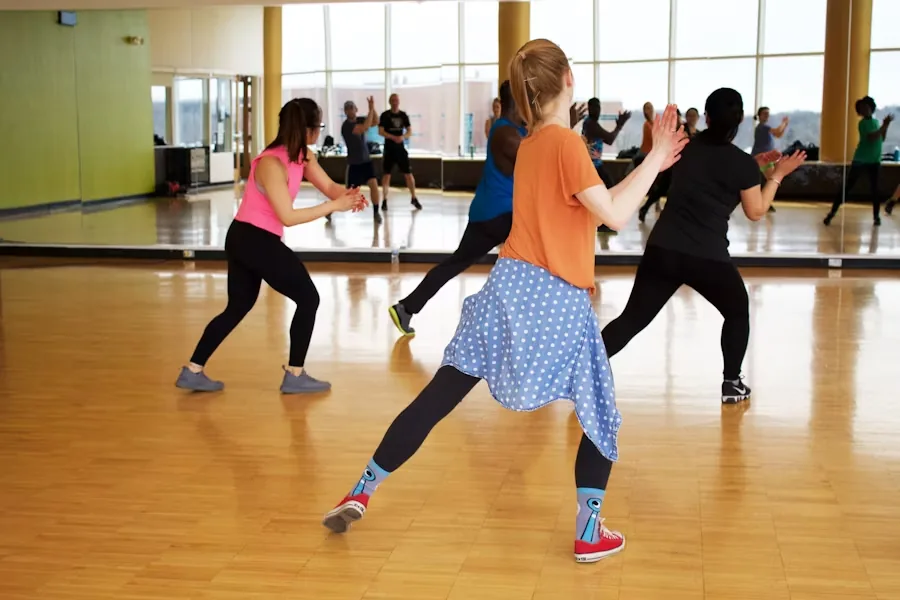
The World Health Organization (WHO) recommends that adults between 18 and 64 years engage in at least 150 to 300 minutes of moderate or 75 to 150 minutes of intensive physical activity per week.
Moderate activities include brisk walking, dancing or cycling, while jogging or swimming count as intensive activities.
If this minimum is not reached, we speak of a lack of exercise.
A lack of exercise can be a decisive risk factor for various diseases.
Why do we move less and less?
Technological advances and changing lifestyle habits have led to a decline in physical activity in many areas of everyday life.
Automation, motorised transport and sedentary occupations dominate our daily routine.
In addition, the COVID-19 pandemic aggravated the situation through more working from home and restricted leisure opportunities.
Health consequences of a lack of exercise
Physical inactivity can cause or worsen numerous health problems:
| Area | Effects of a lack of exercise | Positive effects of exercise |
|---|---|---|
| Cardiovascular system | Increased risk of high blood pressure, coronary heart disease and strokes | Stabilisation of blood pressure, strengthening of the heart muscle, better circulation |
| Metabolism | Type 2 diabetes, excess weight and disturbed fat metabolism | Improved insulin sensitivity, weight regulation, healthier blood sugar levels |
| Musculoskeletal system | Muscle loss, osteoarthritis, osteoporosis, joint pain, restricted mobility | Maintenance of muscle strength, joint stability, pain relief, more mobility |
| Mental health | Higher risk of depression, anxiety disorders, listlessness | Stress reduction, improved mood, more self-efficacy and joy of life |
Benefits of regular exercise
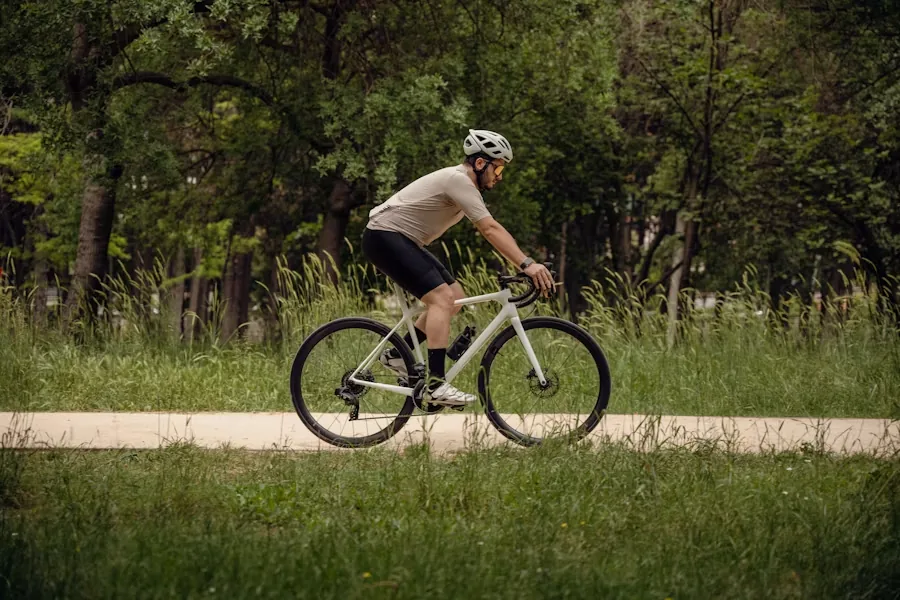
Regular exercise brings numerous benefits for health.
It strengthens the cardiovascular system, improves mobility and reduces the risk of chronic diseases such as diabetes and cardiovascular disease.
In addition, regular exercise contributes significantly to well-being and quality of life.
There are many ways to integrate exercise into everyday life: whether through sport, walks or cycling – what matters is that everyone finds the activity that suits them and does it regularly.
This way, exercise becomes a fixed part of daily life and contributes in the long term to strengthening the heart, muscles and joints.
How can you integrate more movement into your everyday life?
It's easier than you think to build more physical activity into your daily routine:
- Active transport: Use stairs instead of lifts and walk or cycle short distances. Every step counts to combat a lack of exercise and promote your health.
- Movement breaks: Stand up regularly, stretch or take short walks during work.
- Leisure activities: Integrate sporting activities such as dancing, swimming or hiking into your free time.
- Group activities: Join sports groups or clubs to be active together.
Who is particularly affected by a lack of exercise?

A large proportion of people in Germany move too little in everyday life – numerous studies show this.
Particularly affected are adults who sit a lot at the office, are often on the road in the car for work, or prefer the couch to sport in their free time.
Older people who are less mobile due to age also develop movement restrictions more quickly.
Even children and adolescents increasingly show symptoms of a lack of exercise, for example through too much time at the computer and too little movement at school or outdoors.
Exercise in older age: staying active – maintaining quality of life
With increasing age, exercise often becomes harder – yet physical activity is particularly important then.
Those who stay in motion regularly can actively prevent many typical signs of ageing such as muscle loss, movement restrictions or joint problems.
Even simple steps such as daily walking, water aerobics or gentle stretching help maintain mobility and independence.
A lack of exercise in older age is not an inescapable fate – it is a question of habits. Every contribution counts.
Warning signs: recognising a lack of exercise early

The body sends clear signals when it lacks physical activity.
The most common symptoms include:
- Tension in the neck and back area
- Listlessness and exhaustion
- Concentration problems
- Weight gain and fat accumulation
- Declining mobility and muscle strength
These complaints should not be ignored – they are often the first signs of a health imbalance and increase the risk of many diseases.
Lack of exercise at work: staying active even at the office
Sedentary work makes up the majority of many jobs.
But even with little time and space, you can bring more movement into your working day:
- Use every opportunity to stand up – e.g. take phone calls standing
- Set up a height-adjustable desk
- Plan short movement breaks – a few steps to the nearest wall or a brief stretch is often enough
- Skip the lift and take the stairs
- Park your car a little further away – this turns every journey into an opportunity for physical activity
With these small changes, you promote your health in the long term and lower the risk of cardiovascular disease and other consequences of a lack of exercise.
Here are some practical tips: do regular stretching exercises, use ergonomic office furniture and download free guides to improve your quality of life.
Long-term consequences of a lack of exercise

Too little movement affects the entire body – and on many levels.
The WHO now classifies a lack of exercise as the fourth-largest risk factor for deaths worldwide.
The most important health consequences are:
| Health area | Consequences of a lack of exercise | Background / connection |
|---|---|---|
| Cardiovascular system | High blood pressure, arteriosclerosis, heart disease | Low physical activity increases the risk of narrowed vessels and cardiovascular disease |
| Metabolism | Type 2 diabetes mellitus | Lack of exercise promotes insulin resistance and disturbances in fat metabolism |
| Weight / body fat | Excess weight and obesity | An imbalance between calorie intake and consumption leads to weight gain |
| Mental health | Depression, dementia, cognitive decline | Inactivity negatively affects the brain; exercise has a mood-lifting and protective effect |
| Muscles & joints | Muscle loss, joint problems, back pain, osteoarthritis | Lack of exercise leads to muscle loss, instability and increased joint wear |
How to start a more active everyday life
You don't have to be a professional athlete to do something good for your health.
Even small changes can make a big contribution:
- Plan daily exercise sessions – e.g. 30 minutes of walking after meals
- Integrate movement into your free time: dancing, hiking, gardening or cycling
- Arrange to meet others – exercise is easier together
- Use aids such as fitness apps or step counters for motivation
- Also pay attention to a balanced diet – because sport and exercise work best in combination with a good supply of nutrients
With more exercise, you strengthen not only your heart, muscles and joints but also promote your mental well-being – and actively prevent many diseases.
Exercise and diet: a strong team for your health

If you want to move more, you should also pay attention to your diet.
Sport and exercise only develop their full effect when the body is supplied with the right nutrients.
A balanced diet with plenty of vegetables, healthy fats and high-quality proteins not only supports the muscles but also helps with losing excess weight and preventing diseases such as type 2 diabetes mellitus or obesity.
If you exercise regularly and eat consciously at the same time, you create the best conditions for more energy, better well-being and stable health – especially in older age.
Checklist: do you move enough?
Here is a short self-test – answer the following questions honestly:
- Do you sit for more than six hours daily – e.g. at your desk or in the car?
- Do you get at least 30 minutes of exercise per day?
- Do you regularly do sport or physical activities in your free time?
- Do you frequently have back pain, muscle tension or a feeling of sluggishness?
- Do you often use the lift and car even though short distances could be walked?
If you answer "yes" to several of these questions, it is worth rethinking your everyday habits.
Even small changes bring fresh momentum into your life – and noticeably lower your health risk.
Suffering from the consequences of a lack of exercise?
Then book an appointment at NOVUM2 here and let our qualified physiotherapists begin your treatment.