

In brief
- A reaction to overload: Tendonitis usually results from repetitive movements or unusually intensive loads in sport and everyday life.
- Typical symptoms: Stabbing or pulling pain, local swelling and restricted mobility are characteristic warning signs.
- Diagnosis by experts: In addition to the physical examination, ultrasound or MRI confirm the diagnosis and show the exact extent of the tissue irritation.
- Targeted physiotherapy: Special strengthening exercises, stretching and manual therapy promote the circulation of the tendon and accompany regeneration.
- Prevention & support: Kinesio tapes, ergonomic adjustments and systematic warm-up training protect the tendons from renewed inflammation in the long term.
What is tendonitis?
Tendonitis is a common condition caused by overuse or injury of the tendons.
It can cause severe pain and restricted movement.
Treatment usually includes rest, ice, compression and elevation (RICE) as short-term first aid, plus physiotherapy; according to newer international recommendations, early dosed loading and active exercise are the priority.
The information provided is based on the experience of therapists and patients and does not replace professional medical advice.
Introduction and symptoms
Tendonitis, also known as tendinopathy, is a common complaint that can occur in athletes and people who repeatedly perform certain movements.
This inflammation is often the result of excessive loading or injury.
The most common symptoms of tendonitis include pain, swelling and restricted mobility in the affected areas, such as the elbow joint, wrist, hand or the Achilles tendons.
Diagnosis and examination
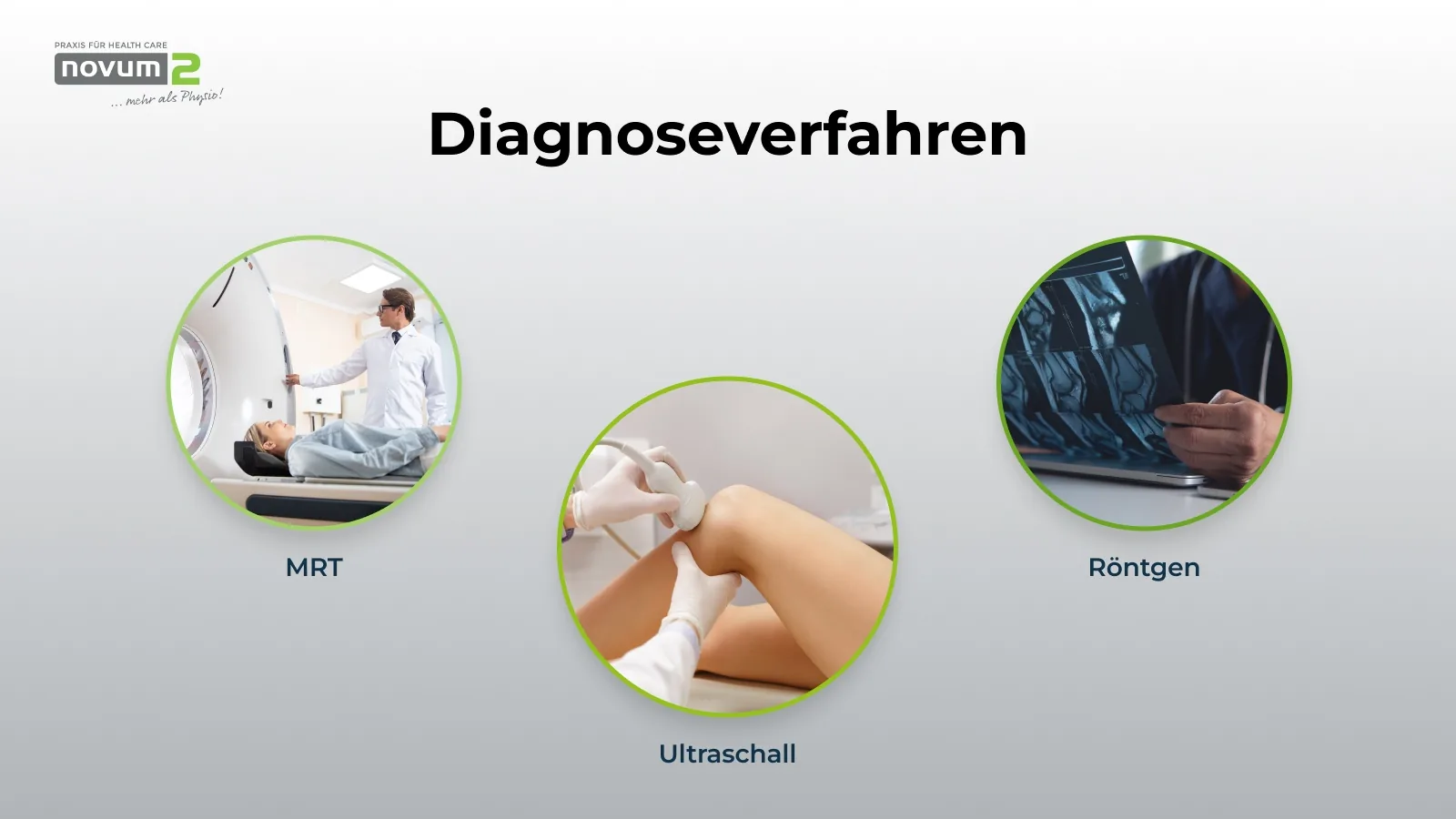
Diagnostic procedures
The diagnosis of tendonitis usually begins with a comprehensive history and physical examination by a specialist.
Frequently used diagnostic procedures include:
- MRI (magnetic resonance imaging): This imaging method provides detailed images of soft tissues and can reveal inflammation or injuries.
- X-ray: To rule out bony changes or damage.
- Ultrasound: This technique can be used to assess the tendon structure in real time.
Treatment options
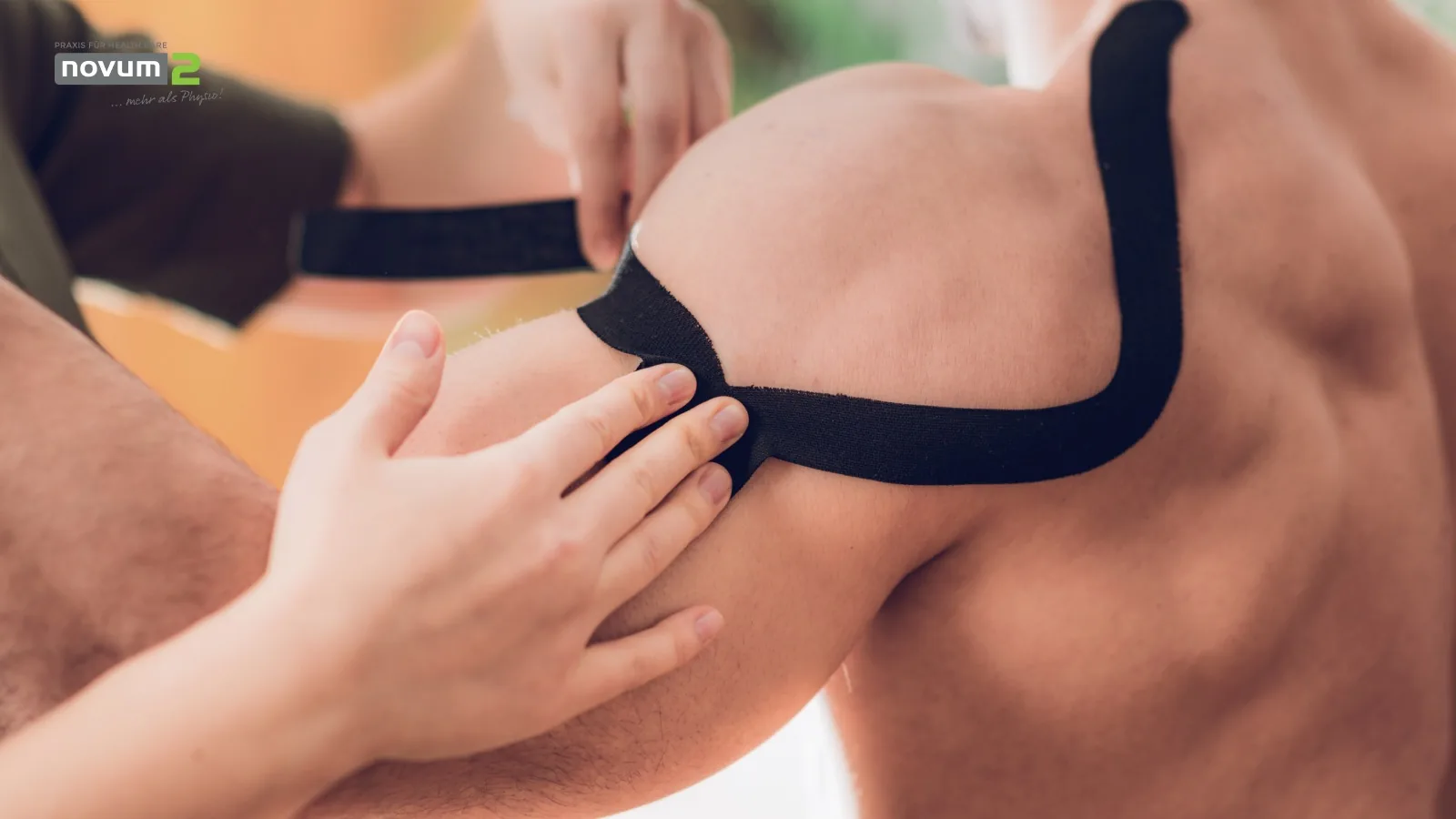
Physiotherapy is a widely used method for treating muscle and joint pain.
Another treatment option is the use of kinesiology tape, which helps ease pain and tension and supports mobility without completely immobilising the joint.
It is often used for specific complaints such as pain in the elbow joint.
Medication
The most common treatment of tendonitis includes:
- Painkillers: Non-steroidal anti-inflammatory drugs (NSAIDs) such as ibuprofen to ease inflammation and pain.
- Cortisone injections: In severe cases, an injection can help greatly reduce the inflammation.
Physiotherapy and exercise therapy
Physiotherapy plays a central role in treatment.
A physiotherapist can guide you through specific exercises to strengthen the surrounding muscles and improve mobility.
Kinesiology is also often used in physiotherapy: kinesiology tapes can ease pain or tension and support healing.
This includes:
- Stretching exercises
- Strengthening exercises
- Self-massage techniques
Surgical treatment
If conservative therapies are unsuccessful, an operation can be considered in serious cases to repair or remove damaged tissue.
| Treatment method | Advantages | Disadvantages |
|---|---|---|
| Painkillers | Fast acting | Side effects possible |
| Physiotherapy | Long-term recovery | Time-consuming |
| Surgery | Permanent solution | Risk of complications |
Self-help and prevention

The right technique and regular exercises are decisive for prevention.
Detailed self-help guidance can help you apply medical techniques yourself and develop a better understanding of the problem.
Stretching and stability exercises
To prevent tendonitis, regular stretching and stability exercises are important.
These exercises strengthen the muscles around the joints and increase their flexibility.
Proper warm-up and cool-down exercises
Especially before sporting activities such as tennis or cycling, appropriate warming up should take place, followed by cool-down exercises, to avoid injuries such as tennis elbow.
Avoiding overload and strain
Overloading the tendons through repetitive movements is a common cause.
It is important to take breaks and increase the training intensity step by step.
Sport-related tendonitis
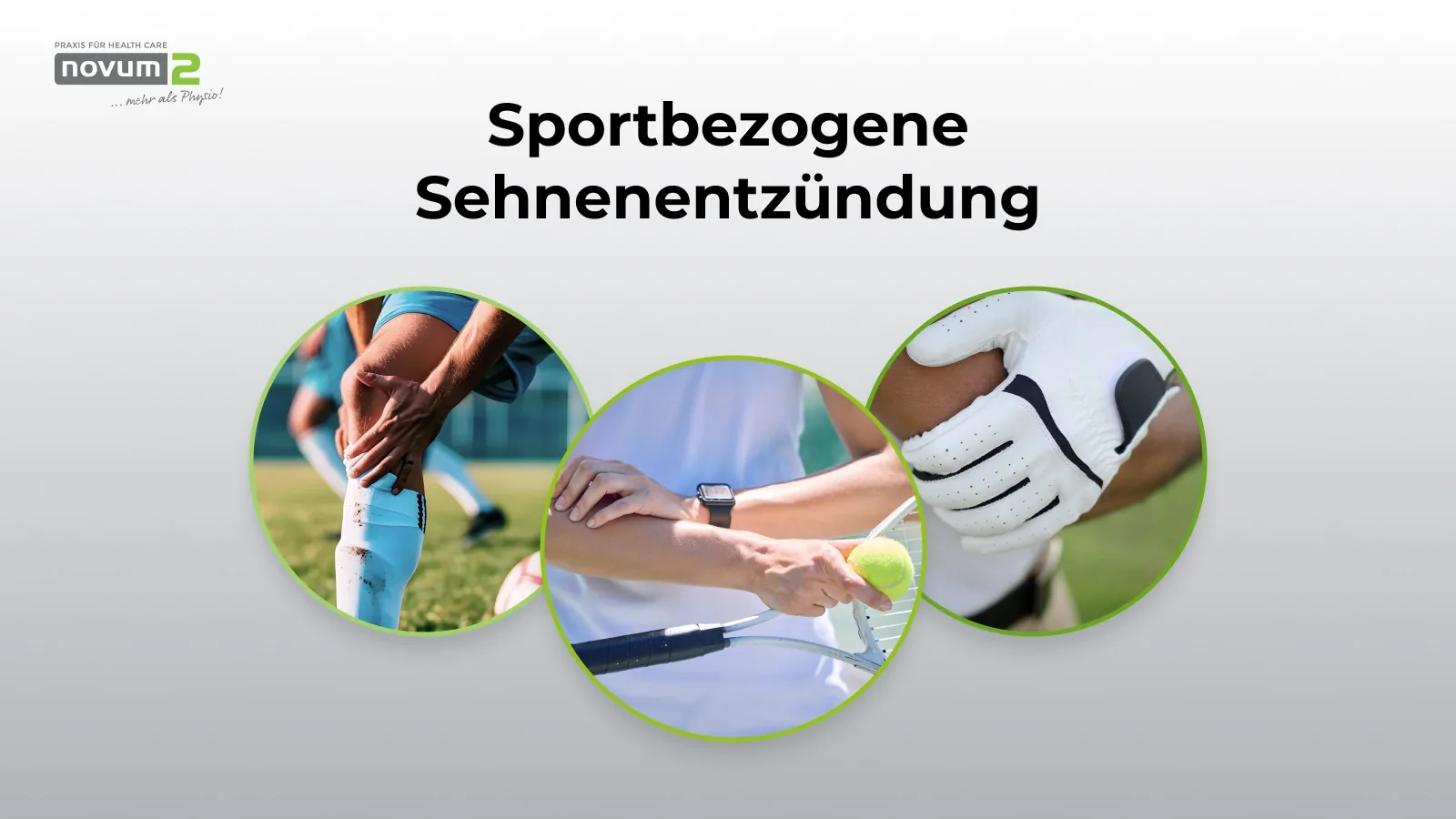
Athletes are particularly susceptible to tendonitis in the elbow.
Common injuries in the elbow joint in athletes include overuse damage and specific conditions such as tennis elbow.
Tennis elbow (lateral epicondylitis)
Tennis elbow is a specific form of tendonitis that mainly affects the elbow joint.
Detailed guidance on taping a tennis elbow can help ease the complaints.
This condition frequently occurs in athletes who put heavy strain on the elbow through repetitive hand movements.
Golfer's elbow (medial epicondylitis)
Similar is golfer's elbow, which affects the inside of the elbow and can occur in certain sports such as golf or tennis.
Tendonitis in other sports (e.g. shoulder tendonitis)
Tendonitis is also frequent in football, running and cycling.
Here it is important to stretch and strengthen the affected muscles well.
Suffering from tendonitis?
Do you have pain and restricted movement due to tendonitis?
Let our specialists help you!
Our experienced therapists at NOVUM2 are at your side.