
In brief
- Protective function: Your menisci act as indispensable shock absorbers and load distributors in the knee joint.
- Recognising symptoms: Typical signs of meniscus damage are load-dependent pain at the joint line, swelling or sudden locking.
- Conservative before surgical: Much meniscus damage can be treated with targeted treatment and physiotherapy without surgery.
- Activity helps: Specific strength training for meniscus damage strengthens the surrounding muscles and noticeably relieves the affected tissue.
- Stability in everyday life: Aids such as knee supports or professional taping give you security and promote circulation.
What exactly is meniscus damage?
Imagine your knee as a highly complex hinge.
The inner and outer meniscus act as biological shock absorbers made of elastic fibrocartilage.
They distribute the load of your body weight evenly and protect the sensitive cartilage. Cartilage and meniscus damage in the knee are often closely connected:
if the buffer is defective, the risk of later wear increases.
What types of meniscus damage are there?
We fundamentally distinguish two forms:
- Traumatic tears: These result from sudden accidents, often during sport (e.g. football or skiing).
- Degenerative changes: Here the cause of the meniscus damage is natural wear over the years, often promoted by unfavourable loading or osteoarthritis with meniscus damage.
Signs of meniscus damage: where does it hurt?
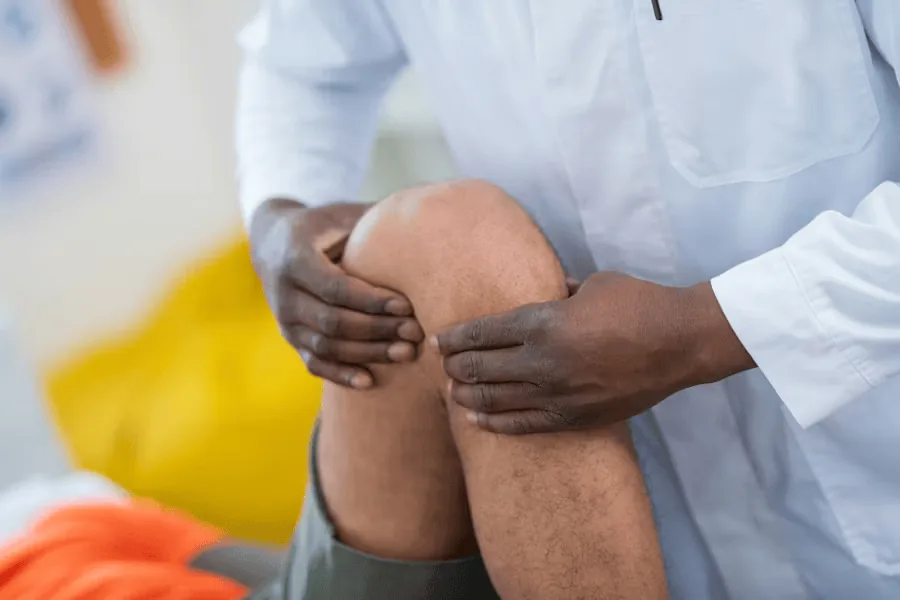
Many patients ask us: "Where does it hurt with meniscus damage?"
Typical pain with meniscus damage usually occurs directly at the joint line – on the inner or outer side of the knee.
Other symptoms of meniscus damage are:
- A locked joint (you can no longer fully straighten or bend the knee).
- Swelling from increased joint fluid.
- An unstable feeling when walking.
- Which pains occur with meniscus damage often depends on the load: climbing stairs or squatting are usually particularly uncomfortable.
Diagnosis: certainty through technology
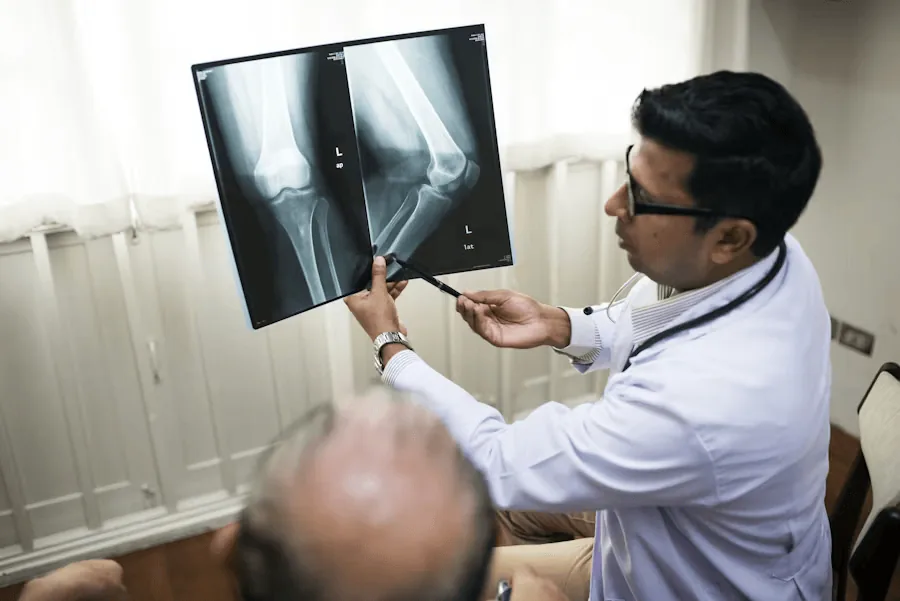
To assess the extent, doctors often use an MRI for meniscus damage.
The MRI images show precisely whether the tear needs surgery or can be treated conservatively.
In addition, an ultrasound can provide initial clues about swelling and tissue changes.
What to do about meniscus damage? The path to recovery
Modern physiotherapy plays an enormously important role today.
Surgery is often not necessary at all.
Our treatment for meniscus damage is based on a comprehensive approach.
Physiotherapy and targeted training
What really helps with meniscus damage?
Movement!
But the right kind.
Physiotherapy exercises for meniscus damage aim to strengthen the muscles around the knee.
- Muscle training for meniscus damage: A strong quadriceps noticeably relieves the joint.
- Strength training for meniscus damage: We create a plan with specific exercises that improve your stability.
- Which exercises are right for you is decided after an individual analysis of your movement patterns.
Support from outside: braces and tape
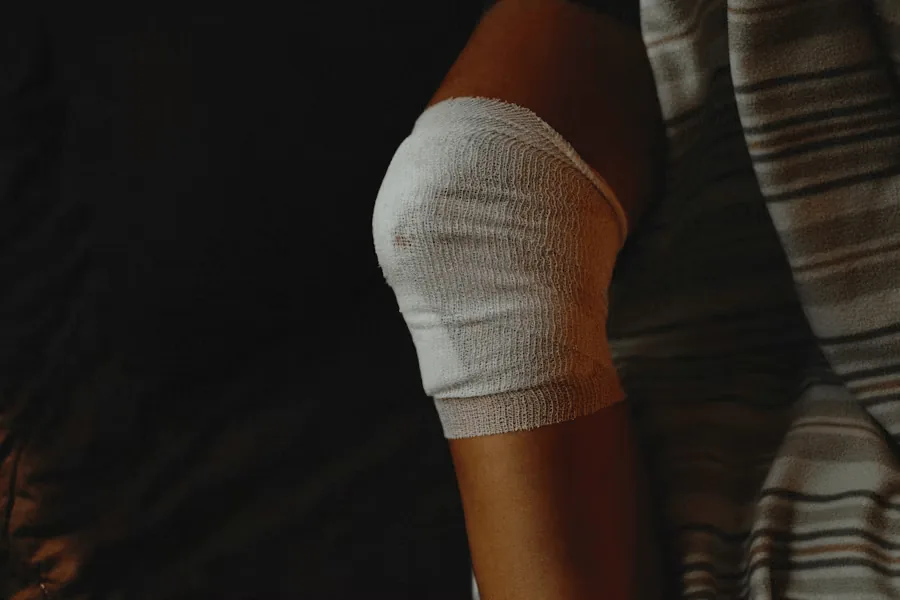
A frequent question in our practice: "Does a knee brace help with meniscus damage?"
Yes, a knee brace for meniscus damage can stabilise the joint and increase the feeling of security when walking.
If you are unsure which knee brace is right for you, we are happy to advise you on various models and supports.
In addition, taping for meniscus damage has proven its worth.
Professional knee tape or classic tape supports micro-circulation and eases the pain without restricting freedom of movement.
Alternative approaches and additions
Besides classic therapy, there are accompanying options:
- Osteopathy for meniscus damage: Helps release chains of tension throughout the body.
- Acupuncture for meniscus damage: Can be very effective, especially for chronic pain.
- Medication for meniscus damage: In the acute phase, anti-inflammatory medicines can help. Some patients also turn to globules or homeopathy, though this is seen more as a supportive measure for pain relief.
- Diet for meniscus damage: An anti-inflammatory diet supports tissue healing from within.
Sport and everyday life: what to pay attention to
Which sport is safe with meniscus damage?
In principle, sports with gentle, flowing movements are ideal.
- Swimming with meniscus damage: Front crawl in particular is excellent, as it relieves the joints.
- Sport with meniscus damage should generally avoid abrupt stopping and twisting movements.
To prevent meniscus damage in the long term, we recommend regular exercise and, if the feet are misaligned, wearing orthopaedic insoles.
Your knee in good hands
Whether through sport or wear – meniscus damage is no reason to bury your head in the sand.
With the right meniscus therapy and consistent exercises, we at NOVUM2 get you moving again.
Would you like to create your individual therapy plan or have questions about a knee brace?
Book a consultation with us now and let's take the first step towards your recovery together.